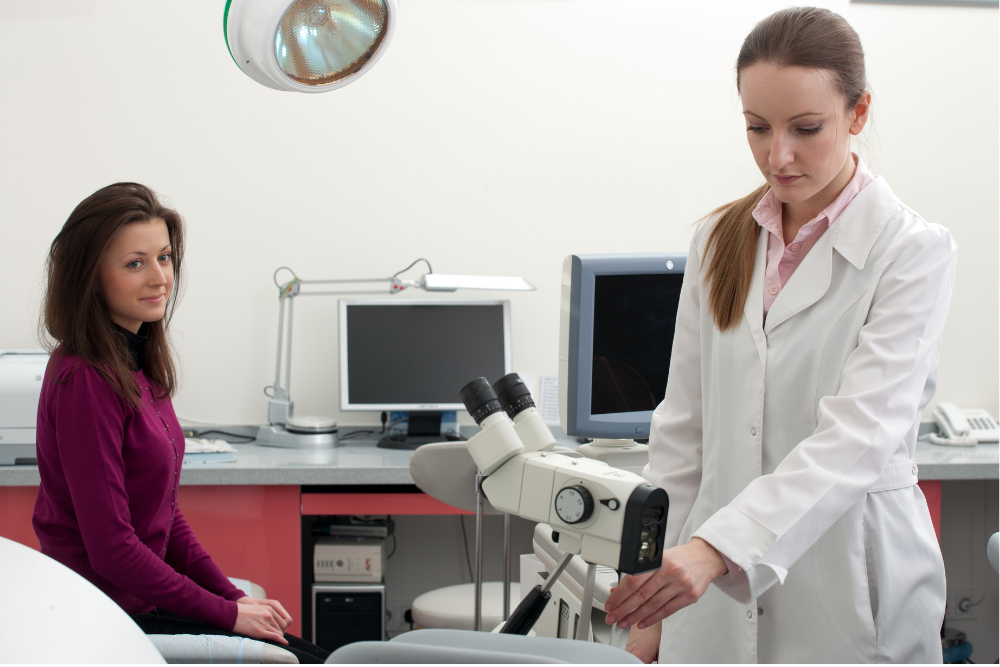

What is a Hysteroscopy in Laurel, MD (and Why You May Need It)

If you have been advised to undergo a hysteroscopy in Laurel, Maryland, you may be wondering what the procedure involves and why it is recommended. After all, being told you have to undergo any procedure can be a bit nerve-racking, so knowing what you’re getting yourself into go help in a big way.

What is a Hysterocscopy in Laurel, Maryland?

A hysteroscopy is a minimally invasive diagnostic (and sometimes therapeutic) procedure that allows your provider to examine the inside of the uterus using a thin, lighted instrument called a hysteroscope.

During a hysteroscopy in Laurel, Maryland, the hysteroscope is gently inserted through the vagina and cervix into the uterus. Because no incisions are required, recovery is typically faster than with traditional surgical approaches. 

The procedure may be performed in an office setting or outpatient surgical center, depending on your specific needs.

Why Is a Hysteroscopy Performed?

A hysteroscopy is commonly recommended to evaluate symptoms such as:

In addition to diagnosing these conditions, hysteroscopy can also be used to remove polyps, small fibroids or scar tissue during the same procedure. This makes it both a diagnostic and therapeutic tool.

What to Expect During and After a Hysteroscopy in Laurel, MD

Most patients experience mild cramping similar to menstrual cramps during or shortly after the procedure. Depending on the complexity of your case, local or general anesthesia may be used. Light spotting for a few days afterward is normal.

A hysteroscopy in Laurel, Maryland, is generally safe, with a low risk of complications when performed by an experienced provider. Your physician will review your medical history and explain any potential risks beforehand.

Visit Our Providers for the Best Women’s Care in Maryland

If you are experiencing abnormal bleeding or fertility concerns, our team at Capital Women’s Care in Silver Spring and Laurel, Maryland, can help determine whether this procedure is appropriate for you. 

To schedule a consultation or learn more, call 301-593-8101 to speak with a member of their experienced women’s health team.

Understanding Which Tests You’ll Need During Pregnancy

Understanding the tests you’ll need during pregnancy is a critical part of prenatal care. These tests help monitor both maternal health and fetal development from the earliest weeks through delivery. While the number of appointments and screenings may feel extensive, each test is carefully selected to provide valuable clinical insight.

These evaluations allow your provider to identify potential concerns early, manage risks appropriately and support the healthiest possible outcome for you and your baby.

Your specific testing schedule will depend on your medical history, age, family history and any preexisting conditions. Understanding the purpose behind these screenings can make the process feel more manageable and reassuring.

Tests You’ll Need During the First Trimester: Establishing a Baseline

The first trimester focuses on confirming the pregnancy and establishing a health baseline. common tests you’ll need during pregnancy during this stage include:

  • Comprehensive blood work: Determines blood type, Rh factor, screens for anemia and checks for infections such as HIV, hepatitis B and syphilis.
  • Urinalysis: Screens for infection, kidney function abnormalities and elevated protein or glucose levels.
  • Early ultrasound: Confirms viability, establishes accurate gestational dating and evaluates early fetal development.
  • Optional genetic screening: Noninvasive blood tests may assess the risk of chromosomal conditions.

In some cases, thyroid function testing or additional hormone evaluations may be recommended, particularly if you have a history of endocrine disorders or pregnancy loss.

These early tests you’ll need during pregnancy provide essential information that guides the remainder of your prenatal care plan and helps identify patients who may benefit from closer monitoring.

Tests You’ll Need During the Second Trimester: Detailed Evaluation and Screening

During the second trimester, attention shifts toward monitoring fetal growth and identifying structural concerns. The anatomy ultrasound, typically performed between 18 and 22 weeks, provides a comprehensive assessment of fetal organs, placental placement and amniotic fluid levels.

This imaging study also evaluates cervical length in certain patients who may be at risk for preterm birth.

Additional tests you’ll need during pregnancy often include maternal serum screening and glucose testing between 24 and 28 weeks to evaluate for gestational diabetes.

Early detection of elevated blood sugar allows for dietary modifications or medical management to reduce the risk of complications such as excessive fetal growth, preeclampsia or delivery complications.

If indicated, additional ultrasounds may be recommended to monitor growth trends or placental position.

Tests You’ll Need During the Third Trimester: Monitoring and Delivery Preparation

In the third trimester, testing is directed toward ensuring stability as delivery approaches. A Group B streptococcus screening is routinely performed between 35 and 37 weeks. If positive, antibiotics during labor significantly reduce newborn infection risk.

Your provider may repeat blood work to reassess anemia, platelet levels and overall maternal health. Blood pressure monitoring becomes especially important to screen for preeclampsia.

In higher risk pregnancies, fetal monitoring such as nonstress testing or biophysical profiles may be ordered to evaluate fetal well-being, placental function and amniotic fluid levels.

At this stage, tests you’ll need during pregnancy help determine readiness for labor and assist in planning a safe delivery strategy.

Get all the Tests You’ll Need During Pregnancy at CWC OBGYN

Not every patient requires the same number or type of tests. High risk pregnancies, multiple gestations or preexisting medical conditions may require additional imaging, specialist consultation or more frequent prenatal visits.

Clear communication with your provider ensures you understand the purpose of each test and how results influence your care plan.

The experienced team at Capital Women’s Care in Silver Spring and Laurel, MD, provides comprehensive prenatal care tailored to each patient.

If you have questions about tests you’ll need during pregnancy or would like to schedule an appointment, contact Capital Women’s Care Silver Spring at 301-593-8101 for personalized guidance and professional support throughout your pregnancy journey.

How to Prepare for a Mammogram in PG County

Scheduling a mammogram in PG County, Maryland is an important step in protecting your long term breast health. Whether this is your first screening or part of your annual preventive care routine, understanding how to prepare can help ensure accurate imaging, minimize discomfort and reduce the likelihood of needing repeat views.

First Off, What is a Mammogram?

A mammogram is a low-dose X-ray designed to detect early signs of breast cancer, often before symptoms develop. Early detection significantly improves treatment outcomes, which is why proper preparation and consistent screening are so important.

Schedule Your Mammogram in PG County for the Right Time (This is Important!)

If you are premenopausal, it is generally recommended to schedule your mammogram in PG County, Maryland, during the week after your menstrual period. Hormonal fluctuations before your cycle can make breasts more tender, and scheduling strategically may help reduce discomfort during compression.

When booking your appointment, inform the imaging center if you are pregnant, breastfeeding or have breast implants. Technologists can adjust positioning techniques to ensure safe and accurate imaging in these situations.

If this is your first mammogram, ask questions ahead of time so you feel comfortable with the process. Understanding what to expect can reduce anxiety on the day of your exam.

Avoid Products That Can Interfere with Imaging

On the day of your exam, avoid applying deodorant, antiperspirant, powders, lotions or perfumes to your chest or underarm area. Many of these products contain small metallic particles that can appear on X ray images and create artifacts that resemble calcifications.

It is also helpful to wear a two-piece outfit. You will only need to remove clothing from the waist up, which makes the appointment more convenient and efficient.

Bring Relevant Medical History

Providing complete and accurate information allows the radiologist to interpret your images more effectively. If you have had prior imaging at another facility, arrange for those records to be transferred in advance. Comparing previous mammograms helps detect subtle changes over time.

Be prepared to discuss:

  • Family history of breast cancer
  • Personal history of breast biopsies or surgery
  • Hormone replacement therapy use
  • Any new breast symptoms such as lumps, discharge or pain

Sharing this information supports a comprehensive evaluation during your mammogram in PG County, Maryland.

What Happens During the Procedure

During the exam, each breast is positioned on a flat imaging plate and gently compressed with a clear paddle. Compression lasts only a few seconds but is necessary to spread out breast tissue, improve image clarity and reduce radiation exposure.

Most patients describe the sensation as uncomfortable rather than painful. The entire appointment typically lasts about 20 to 30 minutes, and you can resume normal activities immediately afterward.

Understanding Your Results

Results are usually available within several days. If additional imaging is recommended, it does not automatically indicate a serious problem. Follow up views or ultrasound may be requested to clarify dense tissue or overlapping structures.

Annual screening beginning at age 40 is generally recommended for average risk women, though your provider may adjust timing based on personal or family history.

Regular screening remains one of the most effective tools for early breast cancer detection. Even if you feel well and have no noticeable symptoms, routine imaging can identify subtle changes long before they become clinically apparent. Staying consistent with recommended screening intervals helps establish comparison images over time, which improves diagnostic accuracy and reduces unnecessary follow up testing. 

Schedule Your Mammogram in PG County With Our Team of Experienced Providers

The team at Capital Women’s Care in Silver Spring and Laurel, MD, is dedicated to comprehensive preventive care for women at every stage of life.

If you need assistance scheduling a mammogram in PG County, or would like to discuss your individual screening plan, contact Capital Women’s Care Silver Spring at 301-593-8101 for professional guidance and support.

How to Find Safe And Effective Botox Near Silver Spring, Maryland

Choosing the right provider matters when it comes to injectable treatments. Botox is safe and effective when administered correctly, but results depend heavily on proper training, dosing, and placement. That is why patients searching for Botox near Silver Spring, Maryland, should focus not only on convenience, but also on experience, medical oversight, and personalized care.

Botox works by temporarily relaxing targeted muscles to smooth expression lines and relieve muscle-related symptoms. When done properly, it enhances appearance while preserving natural movement.

What Makes Botox Safe and Effective

Safety starts with medical evaluation and proper technique. A qualified provider understands facial anatomy, dosing strategies, and how to customize treatment based on individual structure and goals.

This reduces the risk of complications and improves the likelihood of natural-looking results.

How Botox Near Silver Spring, Maryland Is Evaluated by Patients

Patients seeking Botox near Silver Spring, Maryland, often evaluate providers based on credentials, experience, and patient reviews. Look for licensed medical professionals, transparent consultation processes, and clinics that emphasize individualized treatment rather than standardized dosing.

A reputable provider will answer questions openly and explain what Botox can and cannot achieve.

What To Expect During Your Appointment

Your appointment begins with a consultation and facial assessment. The provider then administers small injections into specific muscles using a fine needle.

The process usually takes under 20 minutes. Mild redness or swelling may occur but typically resolves quickly. Results appear over several days and last about three to four months.

Book an Appointment for Botox Near Silver Spring, MD, at CWC OBGYN

An informed approach leads to safer treatment, better outcomes, and greater confidence in your results.If you are considering Botox near Silver Spring, Maryland, scheduling a consultation allows you to discuss goals, review your medical history, and determine whether Botox is appropriate for you.

Contact us online today or give us a call at 301-593-8101 to schedule your appointment for Botox today!

Exploring The Benefits of Botox in Montgomery County, Maryland

Botox is widely used in modern medicine to treat both cosmetic and medical concerns, from facial wrinkles to muscle tension and chronic conditions. For patients exploring Botox in Montgomery County, Maryland, this treatment offers a safe, effective, and minimally invasive way to improve appearance and comfort with no surgical downtime.

Botox works by temporarily relaxing targeted muscles, allowing the overlying skin to smooth and rest. This reduces the appearance of expression lines and can also relieve certain muscle-related medical symptoms.

What Can Botox in Montgomery County Treat and Why Does It Work?

Botox blocks nerve signals to specific muscles, preventing them from contracting. This makes it useful for treating forehead lines, frown lines, crow’s feet, jaw tension, excessive sweating, and certain headache disorders.

Because it is localized and temporary, Botox allows for precise treatment that can be adjusted over time based on individual response and goals.

How Botox Supports Aesthetic and Medical Care

Patients seeking Botox in Montgomery County, Maryland, often choose it for its versatility and convenience. In aesthetic care, it smooths lines and refreshes the face. In medical care, it reduces abnormal muscle activity that causes pain or dysfunction.

This dual role makes Botox one of the most flexible tools in modern outpatient treatment.

What To Expect from Treatment

Treatment begins with a consultation to review medical history and goals. Injections are performed with a fine needle and usually take under 20 minutes.

Mild redness or swelling may occur but typically resolves quickly. Results appear within days and last several months.

Where To Learn More About Botox in Montgomery County, Maryland

If you are considering Botox in Montgomery County, Maryland, a consultation is the best place to start.

Contact us online today or give us a call at 301-593-8101 to schedule an appointment, ask questions, and learn whether Botox is appropriate for your needs.

With proper guidance, Botox offers a safe and effective way to support both confidence and comfort.

A Comprehensive Guide to Botox in Silver Spring, Maryland

Botox is widely used in modern medicine to treat both cosmetic and medical concerns, from facial wrinkles to muscle disorders and chronic conditions. For patients exploring Botox in Silver Spring, Maryland, this treatment offers a safe, well-studied option that can improve appearance, comfort, and quality of life when administered appropriately by trained medical professionals.

Botox is a purified form of botulinum toxin type A. In carefully controlled doses, it temporarily blocks nerve signals to specific muscles, causing them to relax. This relaxation can soften facial expression lines, reduce muscle spasms, alleviate migraines, and address several other medical concerns. When used properly, Botox is predictable, reversible, and supported by decades of clinical research.

Understanding how Botox works, what it treats, and what to expect can help patients make informed decisions about their care.

What is Botox in Silver Spring, Maryland?

Botox works at the neuromuscular junction, where nerves communicate with muscles. Normally, nerves release a chemical messenger called acetylcholine that tells muscles to contract. Botox blocks the release of this messenger at targeted sites, preventing muscle contraction for a period of time.

This effect is temporary. Over several months, nerve endings regenerate and muscle function gradually returns. This is why Botox treatments must be repeated periodically to maintain results.

How Does Botox Work?

The precision of Botox treatment is what makes it effective. Only the intended muscles are treated, allowing surrounding muscles to continue functioning normally. This targeted approach allows providers to reduce unwanted muscle activity while preserving natural movement and expression.

Because Botox affects only the specific muscles injected, the overall facial appearance remains balanced when treatments are performed correctly.

How Its Used in Medical and Aesthetic Care

Patients seeking Botox in Silver Spring, Maryland, may be pursuing treatment for a wide range of concerns.

In aesthetic care, Botox is commonly used to soften forehead lines, frown lines between the eyebrows, and crow’s feet around the eyes. By relaxing the muscles that create these expression lines, Botox allows the overlying skin to smooth and rest.

In medical care, Botox is used to treat conditions such as chronic migraines, temporomandibular joint disorders, cervical dystonia, excessive sweating, and certain bladder and muscle disorders. In these cases, Botox reduces abnormal muscle or gland activity that contributes to symptoms.

Botox has also been used in select cases to manage muscle spasticity following neurological injury or stroke, helping improve comfort and function for affected patients.

The versatility of Botox is what makes it such a valuable tool in both cosmetic and therapeutic medicine.

What To Expect Before, During, And After Treatment

Before treatment, your provider will review your medical history, current medications, and treatment goals. This helps ensure that Botox is appropriate for you and that dosing and placement are optimized for safety and effectiveness.

During the procedure, Botox is injected into specific muscles using a very fine needle. The injections are quick and usually well tolerated. Most treatments take less than 20 minutes.

After treatment, patients can return to most normal activities immediately. Mild redness, swelling, or tenderness at injection sites is common and typically resolves within a few hours. Patients are usually advised to avoid rubbing the treated areas and to remain upright for several hours after injection.

Results begin to appear within three to five days and reach their full effect within about two weeks.

Safety, Risks, And Who Is a Good Candidate

Botox has a strong safety record when administered by trained providers. Side effects are generally mild and temporary, including localized bruising, headache, or minor discomfort at injection sites.

Serious complications are rare but can occur if Botox spreads beyond the intended muscles. This is why proper training, dosing, and anatomical knowledge are essential.

Good candidates for Botox include adults who are in overall good health, are not pregnant or breastfeeding, and do not have certain neuromuscular disorders. A consultation ensures that Botox is appropriate for your specific medical history and goals.

Patients with realistic expectations and a preference for non-surgical treatment often find Botox especially appealing.

Botox Versus Other Injectable Options

While Botox is the most well-known neuromodulator, it is not the only option available. Other products such as Dysport, Xeomin, and Jeuveau work in a similar way by temporarily relaxing targeted muscles. The differences between them lie in how quickly they take effect, how they diffuse within tissue, and how long results may last for certain patients.

Your provider may recommend one option over another based on your anatomy, your treatment history, and how your body has responded in the past. This is especially helpful for patients who develop resistance, prefer faster onset, or want slightly different treatment characteristics.

The most important factor is not the brand but the skill of the injector. Proper assessment, placement, and dosing determine whether results look natural and balanced. A personalized approach ensures that whichever product is chosen, it aligns with your goals and delivers the safest, most effective outcome.

Benefits, Longevity, And Where to Learn More

The effects of Botox typically last three to four months. With consistent treatment, some patients find that their muscles gradually soften, allowing longer intervals between sessions.

Botox offers several benefits: it is non-surgical, requires no significant downtime, is reversible, and can be customized to individual needs. Whether used for aesthetic refinement or medical symptom relief, it provides a flexible and effective treatment option.

If you are considering Botox in Silver Spring, Maryland, a consultation with a qualified provider is the best way to determine whether Botox is right for you, what dosage is appropriate, and what results you can realistically expect.

Contact us online today or give us a call at 301-593-8101 and take the next step toward a revitalized and refreshed look.

HPV Test in Silver Spring, Maryland: A Know-Before-You-Go Guide

An HPV test in Silver Spring, Maryland, plays an important role in protecting long term cervical health. HPV or human papillomavirus is extremely common and often produces no symptoms at all. In many cases the immune system clears the virus naturally. In other cases certain high risk strains can lead to cervical cell changes that may eventually develop into cancer if left undetected.

HPV testing is a powerful preventive tool that works alongside routine Pap smears to identify risk early and guide timely care.

HPV test in Silver Spring, Maryland: What it Detects and Why it Matters

An HPV test in Silver Spring, Maryland, checks for the presence of high-risk strains of the human papillomavirus that are linked to cervical cancer. Unlike a Pap smear which looks for abnormal cervical cells an HPV test looks directly for the virus that causes those changes.

Most HPV infections do not cause long term harm. However, when high risk strains persist they can lead to precancerous cell changes over time. HPV testing allows providers to identify patients who may need closer monitoring before those changes become serious.

HPV testing is often performed alongside a Pap smear as part of routine cervical cancer screening for patients over age 30 or earlier in certain clinical situations. Your provider will guide you on the testing schedule that best fits your personal health history.

What to Expect During the Test

The HPV test is performed during a routine pelvic exam and closely mirrors the Pap smear process. While you are positioned on the exam table a small speculum is gently inserted so the cervix can be visualized. A soft brush is used to collect cells from the cervix which are then sent to a laboratory for analysis.

The collection process takes only a few minutes. Some patients experience mild pressure but significant discomfort is uncommon. There is no downtime required after the exam and most patients return to normal activities immediately.

Understanding Your HPV Test Results

Results typically return within one to two weeks. If the test is negative it means no high risk HPV strains were detected and routine screening will continue as scheduled. If the test is positive it does not mean cancer is present. It means further monitoring or testing may be needed to ensure cervical cells remain healthy.

Your provider may recommend repeat testing additional Pap smears or in some cases a colposcopy for closer evaluation. Many HPV infections resolve naturally with time and immune response.

How to Prepare for Your Appointment

For the most accurate results patients are usually advised to avoid vaginal intercourse douching or use of vaginal medications for 24 to 48 hours before the test. Scheduling your visit when you are not actively menstruating is also recommended if possible since heavy bleeding can affect sample quality.

Before your appointment it is helpful to note any symptoms such as unusual bleeding pelvic discomfort or changes in discharge. You should also be prepared to discuss your Pap history previous HPV results vaccination status and current medications.

Scheduling Your HPV Test in Silver Spring at CWC OBGYN

Maintaining routine screening is one of the strongest steps you can take to protect cervical health. If you are due for testing or continuing regular monitoring Capital Women’s Care in Silver Spring provides comprehensive gynecologic care in a comfortable professional setting. Their experienced providers offer both Pap smears and HPV test in Silver Spring services as part of complete preventive care.

To schedule your appointment with Capital Women’s Care, contact us online today or give us a call at 301-593-8101 and take the next step toward confident informed cervical health.

DEXA Scan: The Importance of Bone Density Testing in Silver Spring, MD

Bone density testing plays a critical role in detecting early bone loss and assessing fracture risk before serious injury occurs. A DEXA scan is a fast noninvasive imaging test that measures bone mineral density most often in the hips and spine. This information helps providers identify conditions such as osteopenia and osteoporosis long before symptoms appear.

Bone health naturally changes with age but certain factors such as menopause long term steroid use low body weight family history and smoking can significantly increase the risk of bone thinning. Early bone density testing in Silver Spring allows for targeted prevention and careful monitoring.

Bone Density Testing in Silver Spring: Who Should be Screened

Bone Density Testing in Silver Spring is commonly recommended for women age 65 and older as well as younger patients with risk factors for bone loss. Postmenopausal women especially benefit from screening because hormonal changes accelerate bone density decline.

Providers may also recommend earlier testing for patients with a history of fractures thyroid disorders autoimmune conditions or medications that impact calcium absorption and bone metabolism. Screening helps guide decisions about supplements lifestyle support and medical treatment when needed.

What to Expect During a DEXA Scan

A DEXA scan is quick painless and requires no injections or sedation. You will lie flat on a padded table while a low dose X-ray scanner passes over the body. The exam usually takes less than 15 minutes and exposes you to minimal radiation. You can return to normal activity immediately after the test.

Scheduling Your Bone Density Test in Silver Spring

Maintaining bone strength is essential for long term mobility and independence. If you are due for a scan or have risk factors for bone loss Capital Women’s Care in Silver Spring offers Bone Density Testing in Silver Spring as part of comprehensive women’s health care.

To schedule your appointment with Capital Women’s Care, contact us online today or give us a call at 301-593-8101.

A Comprehensive Guide to a Pap Smear in Silver Spring, Maryland

A Pap smear is one of the most important routine screenings for women’s health. This simple test helps detect abnormal cervical cells early, often before symptoms ever appear. Early detection allows for timely treatment and is one of the most effective tools for preventing cervical cancer.

Regular Pap smears are recommended as part of a woman’s preventive care starting in early adulthood and continuing through midlife and beyond depending on personal risk factors and medical history. If you are looking to get a Pap smear in Silver Spring, Maryland, here is a guide for you.

Pap Smear in Silver Spring, Maryland: Who needs one and how often

Most providers recommend beginning cervical cancer screening at age 21. From there, the schedule depends on your age and previous test results. Many patients continue screening every three years with standard Pap testing or every five years when paired with HPV testing. Your provider may recommend a different interval if you have a history of abnormal results, immune system concerns, or known HPV exposure.

Even if you feel completely healthy, routine screening is still critical. Cervical cell changes rarely cause symptoms in early stages. A Pap smear allows your provider to monitor changes long before they become serious.

What Happens During a Pap Smear

When you book a Pap smear in Silver Spring, Maryland, your visit typically begins with a brief health history review. During the exam, you will lie comfortably on an exam table while your provider gently inserts a speculum to visualize the cervix. A small brush is used to collect cervical cells for testing. The entire process usually takes just a few minutes.

Some patients experience mild pressure or brief discomfort but most find the procedure very manageable. There is no required recovery time and you can return to normal activity immediately afterward.

When and How You Receive Results

Once your sample is sent to the lab, results typically return within one to two weeks. Most tests come back normal. If abnormalities are detected, your provider will discuss next steps such as repeat testing, HPV testing, or additional evaluation. An abnormal result does not automatically mean cancer. Many cervical cell changes resolve on their own with monitoring.

How to Prepare for Your Appointment

To support the most accurate results, patients are typically advised to avoid vaginal intercourse, douching, or vaginal medications for at least 24 to 48 hours before the exam. If possible, it is also best to schedule your screening when you are not on your menstrual cycle since heavy bleeding can interfere with cell collection.

Before your visit, it can be helpful to note any symptoms you may have experienced such as abnormal bleeding, pelvic discomfort, or changes in discharge. You should also be ready to discuss your previous Pap history, sexual health, contraceptive use, and any current medications.

Why Routine Screening Matters for Long Term Health

Cervical cancer develops slowly and often without obvious warning signs. Regular screening allows providers to identify and treat abnormal cells before they progress. For many women, consistent Pap smear testing is what prevents cervical cancer entirely.

A Pap smear in Silver Spring, Maryland is not only a cancer screening. It is also an opportunity to address broader gynecologic health concerns including menstrual issues, family planning, hormonal changes, and overall reproductive wellness.

By maintaining a regular screening schedule, patients take an active role in protecting their long term health and gaining reassurance through proactive care rather than reactive treatment.

Scheduling Your Pap Smear in Silver Spring at CWC OBGYN

Routine gynecologic care plays a critical role in lifelong health. Whether you are due for your first Pap smear or maintaining your regular screening schedule, professional women’s health services ensure your care is thorough, comfortable, and personalized.

To schedule your next Pap smear in Silver Spring, Maryland, contact Capital Women’s Care online today or give us a call at 301-593-8101.

The Importance of Well-Woman Visits Near College Park, Maryland

If you’ve ever postponed your yearly checkup because life got busy (or because you weren’t exactly excited about the paper gown situation), you’re definitely not alone. 

Your well-woman visits near College Park, Maryland, are some of the most valuable appointments you can make for your long-term health. 

What Are Well-Woman Visits Near College Park, Maryland?

These annual, personalized, preventive health appointments are designed to support women at every stage of life. These visits often include a review of your medical history, lifestyle discussions, and key screenings such as pelvic exams, breast exams, and pap smears. 

Your provider tailors every part of the visit to your age, needs, and wellness goals, ensuring the care you receive is focused and meaningful.

Why These Visits Matter

Your annual well-woman visits near College Park, Maryland, play a vital role in detecting issues early – often before symptoms even appear. Conditions like cervical abnormalities, breast changes, and hormonal imbalances may develop silently. 

Routine screenings and open discussions give your provider the opportunity to identify concerns early, when treatment is most effective. Prevention is not just proactive – it’s empowering.

A Comfortable Space for Real Conversations

These visits also offer a safe, supportive environment to discuss the health topics that don’t always come up in everyday life. 

From sexual health and birth control to menstrual cycles, menopause, mental health, and sleep patterns, your provider is there to help you navigate these issues with clarity and confidence.

Book Your Well-Woman Visits Near College Park, Maryland, With Capital Women’s Care

Scheduling regular appointments helps strengthen your long-term relationship with your provider. Over time, they get to know your baseline health, making it easier to spot changes and tailor recommendations as your needs evolve.

Call Capital Women’s Care at (301) 593-8101 to speak with a member of our team or request an appointment online to get started.