A Comprehensive Guide to the Differences Between Fibroids vs Cysts

Navigating your health is undeniably confusing, especially when it comes to figuring out the differences between fibroids vs cysts. If this is your struggle, you’re not alone.

Read on for what doctors want you to know, including how they differ and what you can do for symptom relief, such as laparoscopic surgery!

Understanding Cysts: What They Are, Including Their Symptoms and Causes

Cysts are pus or fluid-filled sacs that can develop almost anywhere in your body, including your ovaries, skin, breasts, or internal organs.

Ovarian cysts are one of the most common and form naturally during your menstrual cycle. Many of them are ultimately harmless and resolve on their own without treatment.

Larger or more persistent cysts may cause symptoms such as pelvic pain, bloating, or irregular periods. They can also rupture or result in torsion.

They can be caused by hormonal imbalances, endometriosis, infections, and blocked ducts. Some may result from ovulation itself, known as functional cysts, which are usually benign.

Understanding Fibroids: What They Are, Including Their Symptoms and Causes

Uterine fibroids, or leiomyomas, are noncancerous growths that develop within or on your uterus. They are composed of muscle and fibrous tissue, varying in size from a tiny seed to a large mass.

While some individuals experience no symptoms whatsoever, others do. Heavy or prolonged menstrual bleeding, pelvic pressure, frequent urination, or painful intercourse are common symptoms.

The exact cause of fibroids is not yet fully understood. Risk factors include high blood pressure, genetics, obesity, hormonal changes, and excess levels of estrogen.

They tend to develop during your reproductive years and often shrink after menopause when hormone levels naturally decline.

Fibroids vs Cysts: Differentiating the Two for Accurate Medical Care

Although cysts and fibroids are both growths that can form in or around your reproductive organs, they differ in structure, cause, and treatment.

Cysts are fluid-filled, while fibroids are solid masses of tissue. Cysts form as a result of ovulation or hormonal fluctuations, whereas fibroids stem from abnormal muscle growth in the uterus.

Symptoms certainly overlap, such as discomfort and bloating, which is why professional evaluation is essential.

A pelvic ultrasound or MRI can help distinguish between the two and guide your treatment plan.

Accurate diagnosis ensures the right management technique, whether that means observation, medication, or minor surgical intervention.

Long-Term Effects: How Both Cysts and Fibroids Can Affect Your Fertility

Both conditions can impact fertility, depending on their size, location, and severity.

Ovarian cysts that interfere with ovulation can make conception more difficult overall.

Similarly, large leiomyomas may distort the shape of your uterus or block the fallopian tubes, reducing the likelihood of implantation or increasing miscarriage risk.

With early diagnosis and the correct treatment approach, many people can conceive naturally or with the help of fertility therapies. It’s also necessary to maintain your pelvic health in general.

Finding Success: How Your Provider Is Able to Help You With Proven Treatments

Your healthcare provider can offer several personalized options depending on your diagnosis of fibroids vs cysts. This includes:

  • Embolization to cut off blood flow to the leiomyomas and shrink them.
  • Hormonal birth control to regulate your cycle, prevent cyst formation, and manage symptoms.
  • Laparoscopic surgery to physically remove cysts in a minimally invasive procedure.
  • Myomectomy that surgically removes fibroids while preserving your uterus.

In extreme cases, a hysterectomy may be advised to remove fibroids.

Prioritize Your Health With Compassionate, Effective Care Services at Capital Women’s Care!

While these are common health conditions, it’s scary to experience them alone. With our top-rated women’s health providers in Silver Spring and Laurel, Maryland, you can face your health struggles with professional guidance and ongoing support.

Take the next step today! Call our office at (301) 593-8101 or visit our website to book online today. We look forward to helping you.

Screening for Breast Cancer: The Importance of Mammography in Laurel, MD

A mammogram isn’t just another box to check on your health to-do list. It’s one of the most powerful tools we have for catching breast cancer early and saving lives.

When breast cancer is found early, the chances of successful treatment skyrocket, and your options are much less invasive.

That’s why scheduling your routine mammography in Laurel, Maryland, isn’t just a recommendation but a lifesaving move.

Your commitment to prevention is the best gift you can give your future self.

The Difference Between a Screening Mammogram and a Diagnostic Mammogram

Let’s start with a basic breakdown.

A screening mammogram is prescribed if you aren’t experiencing any symptoms. It’s a routine check to make sure everything looks normal and establish a baseline.

A diagnostic mammogram is more detailed, so it’s used to get a better picture if the screening images detected something out of the ordinary or when you have a lump you can feel, nipple changes, unusual breast pain, or other symptoms.

The key difference is that screenings are proactive, while diagnostics are reactive.

If you’re going in for your annual check and have no symptoms, you’re booking a screening.

Here’s How Often You Should Go for a Mammography in Laurel, Maryland

If you’re 40 or older, most experts recommend a screening mammogram every one to two years, depending on your personal risk factors and your provider’s recommendations.

If you have a family history of breast cancer or other risk factors, you may be advised to start sooner and / or screen more often.

A mammogram is crucial in terms of early detection of breast cancer. They can reveal:

  • Tumors too small to feel
  • Calcium deposits that can signal early cancer (microcalcifications)
  • Changes in breast tissue density
  • Subtle asymmetries or structural abnormalities

The earlier an issue is caught, the more treatment options are available and the better the chances of success.

What to Expect After Your Appointment

You’ll typically get your results within a few days to a week. If everything looks normal, you’ll be cleared until your next routine screen.

If something seems suspicious, your provider may recommend additional imaging or a diagnostic mammogram to investigate further.

Waiting can feel nerve-wracking, but try to stay calm. Many callbacks turn out to be benign, and the goal is to be thorough.

Do This, Not That: Appointment Prep Tips

Do:

  • Wear a two-piece outfit so it’s easy to undress from the waist up.
  • Skip deodorant, lotion, perfume, or other topical products in or around the breasts and underarms, as they can affect the test.
  • Schedule your appointment for the week after menstruation, as this is the time in your cycle when your breasts are least tender.

Don’t:

  • Panic if you’re called back for more images. This is common and doesn’t mean bad news.
  • Forget to bring any previous mammograms (especially if you’re new to the practice).
  • Ignore mild discomfort. Speak up, because your tech may be able to adjust the pressure slightly.

Why a Mammography in Laurel Should Be on Your To-Do List

Life is busy, but when it comes to your health, preventive care like mammography in Laurel, MD isn’t something to bump to the bottom of your calendar.

These quick, powerful scans offer a window into your breast health and can detect concerns long before they’re visible to the eye or felt by hand.

Getting your annual screening means taking an active role in your reproductive health and your overall well-being.

For the Best Breast Imaging and Care in Laurel, Call Our Women’s Health Specialists Today

Your health is too important to wait!

Book your mammogram with a provider who puts your comfort and care first.

Our providers are here and ready to help. Call our office at 301-490-8882 or schedule an appointment online and get a quality breast cancer screening at Capital Women’s Care.

What to Expect at a Pelvic Ultrasound in Laurel, MD

If your OB/GYN recommends a pelvic ultrasound in Laurel, MD you might be wondering what it involves and why it’s necessary.

A gynecological ultrasound is a safe, non-invasive way to take a closer look at your reproductive organs, including your uterus, ovaries, and bladder.

It can help answer questions about any changes in your reproductive health.

Why OB/GYNs Recommend This Diagnostic Test

Your OB/GYN might recommend a pelvic ultrasound because it gives insight into what’s going on with your reproductive health.

The scan can help identify issues such as cysts or fibroids. It helps track fertility treatments, and it can display an image of your developing baby in the womb if you’re pregnant.

Your doctor uses their experience to read the images in the context of your overall health, so you get clear answers and guidance that you need.

What to Expect at a Pelvic Ultrasound in Laurel, MD

The pelvic ultrasound is typically a quick, painless, and safe procedure.

Depending on what your provider needs to examine, you might have a transabdominal ultrasound, which is across your lower abdomen, or a transvaginal scan, with a small probe inserted into the vagina.

During your procedure, the technician will guide you, explain what’s happening, and ensure you feel comfortable.

After the Scan

Once the ultrasound is complete, your obstetrician will review the images and discuss any findings with you.

In many cases, results are available immediately, allowing your provider to explain next steps, whether that involves follow-up testing, treatment options, or simply reassurance that everything looks normal.

Call Capital Women’s Care Today for Your Pelvic Ultrasound and Your Peace of Mind

With us, you will have a provider that specializes in women’s health.

We can guide you through the process of your pelvic ultrasound in Laurel, MD, answer any questions, and ensure that your visit is as comfortable as possible.

We are here to help you take charge of your reproductive health. Call us today at at 301-490-8882 to speak with a team member or schedule an appointment online.

What to Expect at Your Mammography Appointment in Laurel, Maryland

Knowing what to expect at your mammography appointment in Laurel, Maryland, takes the guesswork (and nervousness) out of the equation.

Whether you’re going in for your first-ever screening mammogram or it’s time for a follow up, this post breaks down the process, clears up confusion, and helps you feel completely prepped before your visit.

Your Mammogram Visit Starts With a Warm Welcome and a Few Quick Questions

Once you arrive, you’ll check in, fill out a quick form, and possibly review your medical history.

Be prepared to share details about any current symptoms, family history of breast cancer, and the date of your last mammogram if applicable.

If you’ve had mammograms done elsewhere, bring those images or let the team know so they can request them.

These small details help create a full picture of your breast health.

Here’s What to Expect During Your Mammography Appointment in Laurel, Maryland

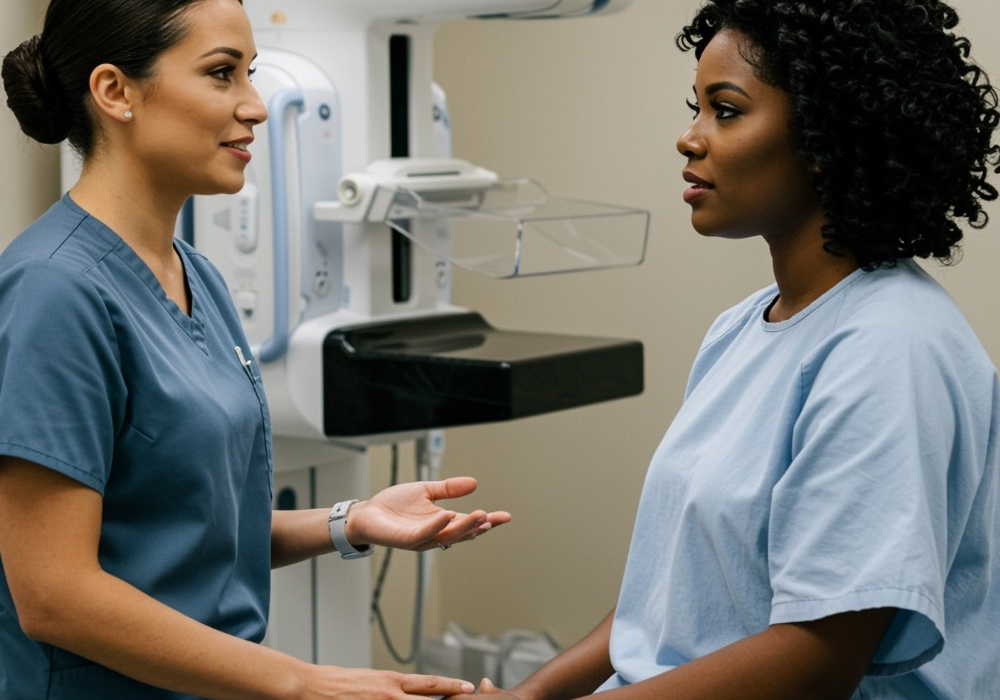
You’ll be taken to a private room where a trained technician will instruct you through the entire process.

One breast at a time is placed between two flat plates that compress it briefly to get a clear image. It feels like a tight squeeze, but it only lasts a few seconds per image.

Most appointments include at least two images per breast, one top to bottom and one side to side.

It’s quick and precise, and while not exactly comfortable, it’s very tolerable and worth it for peace of mind.

This Test Detects More Than Just Lumps

A mammogram is designed to spot a range of early warning signs including:

  • Microcalcifications (tiny calcium buildups)
  • Distorted tissue structures
  • Tumors that are too small to feel
  • Density changes that might signal concern

You can’t fight what you can’t see, and mammograms help you see anything that may be concerning early.

Screening vs. Diagnostic Mammograms: Know the Difference

You’re probably getting a screening mammogram, which is routine and done when you’re not showing symptoms. It’s done to establish whether there is anything unusual in your breast tissue.

But if there’s a lump, pain, or something unusual, your provider might order a diagnostic mammogram.

This one’s a bit more in-depth, with additional angles or even magnified views to get more clarity.

Diagnostic mammograms are targeted and take longer, but they’re still non-invasive and use the same general process.

How Often You Should Book This Procedure

Most women are advised to start screenings between the ages of 40 and 50, though it depends on your personal and family history.

From there, every one to two years is the general guideline unless your doctor suggests more frequent monitoring.

Consistency is key, as early detection dramatically increases your treatment options.

Your Results Usually Return Quickly

In most cases, your results are ready within a few days to a week.

If anything stands out, your provider will contact you to schedule a second mammogram, which will be a diagnostic one.

Getting a callback isn’t uncommon and doesn’t mean something is wrong, so don’t be too concerned until the results are all in and you hear from your breast care doctor.

Prep for Your Procedure With These Quick and Easy Tips

  • Try to schedule the week after your period if breast tenderness is a concern.
  • Wear a two-piece outfit for comfort and easily changing into a gown.
  • Skip lotions, powders, and deodorants under the arms and around the breasts, as these products can interfere with imaging.

Prioritizing Your Breast Health Is Something to Do for Yourself, and You Should Be Proud

A mammography appointment in Laurel, Maryland, is one of the most proactive, protective steps you can take for your long-term health.

You deserve peace of mind and a care team that makes you feel supported every step of the way.

For the Best in Women’s Imaging, Call CWC for a Mammography Appointment in Laurel, Maryland

If you want compassionate, experienced care from a team that puts you first, call our Laurel office now at 301-490-8882 to speak with a team member or schedule an appointment online.

Let’s keep your health on track together!

Pelvic Congestion Syndrome vs Endometriosis: How to Tell the Difference

Different kinds of pelvic pains can often blur together, yet the causes are not always the same.

Clear, simple distinctions help you feel informed, calm, and ready to choose next steps that fit your life, and lifestyle.

You are not alone. And this quick and informative read breaks down pelvic congestion syndrome vs endometriosis will leave you feeling more empowered to make the right choice for you and your family.

Pelvic Congestion Syndrome vs Endometriosis at a Glance

Pelvic congestion syndrome (PCS) often causes a dull, heavy ache that builds through the day, worsens with standing or after sex, and is common after pregnancy. The pain is usually noncyclic.

Endometriosis pain is frequently cyclic and may surge just before and during periods, with pain during sex, bowel movements, or urination, and can affect fertility.

If you are comparing pelvic congestion syndrome vs endometriosis, start by noticing when the pain appears, what triggers it, and what reliably eases it.

Pelvic Congestion Syndrome vs Endometriosis: What Each Condition Is

PCS stems from enlarged, inefficient pelvic veins that let blood pool, creating pressure and discomfort similar to varicose veins elsewhere.

Endometriosis involves tissue similar to the uterine lining growing outside the uterus, which can inflame nearby organs and create adhesions.

How the Pain Feels and When It Shows Up

  • PCS clues: aching after long days on your feet, pain that eases when you lie down, visible vulvar or upper thigh varicose veins, and tenderness low in the abdomen
  • Endometriosis clues: cramping that is worse around periods, pelvic pain with sex, heavy or irregular bleeding, and sometimes bowel or bladder pain during menses

Tracking a two to four week diary of timing, triggers, and relief can make patterns obvious and guide evaluation.

Clues From Exams and Imaging

A pelvic exam is a reasonable first step.

For suspected endometriosis, guidelines support exam and targeted imaging, with laparoscopy considered when diagnosis is uncertain or symptoms persist despite care.

For PCS, Doppler ultrasound or cross sectional imaging can show dilated ovarian or pelvic veins, and venography may confirm venous reflux in select cases.

Sorting pelvic congestion syndrome vs endometriosis often requires both a careful history and the right imaging so treatment matches the cause.

Treatment Paths and Recovery

  • PCS options: activity changes, symptom relief strategies, and for persistent pain, minimally invasive ovarian or pelvic vein embolization performed by an interventional radiologist. Many patients improve when incompetent veins are sealed
  • Endometriosis options: lifestyle support, pain relief, hormonal therapies to suppress lesions, and surgical treatment when needed, especially for severe pain or fertility goals

Quick Questions, Clear Answers

  • Does either condition go away on its own? Endometriosis tends to persist without management, PCS may ebb with posture changes yet often needs targeted care
  • Can I have both? Yes, overlapping causes of pelvic pain are possible, which is why a personalized plan matters
  • Will exercise help? Gentle movement, core and pelvic floor work, and stress reduction can ease symptoms, though they do not replace medical treatment when needed

And if you have any other questions, never hesitate to ask. An expert provider will always be happy to support you.

What To Ask When Comparing Treatment for Pelvic Congestion Syndrome vs Endometriosis

Ask your clinician:

  • What tests make sense for my pattern of pain?
  • Which treatments match my goals today, pain relief, fertility, daily function?
  • How will we measure progress, and when should we adjust?

Your Next Step

You deserve answers and a plan that respects you as the unique individual you are. That’s what our team here at Capital Women’s Care does.

If you want a thoughtful evaluation and clear guidance from a team that truly listens and knows what you’re going through, contact Capital Women’s Care.

Contact us online to request an appointment or give us a call today at 301-593-8101 to schedule a visit and move toward steady relief and confident next steps.

3D Mammogram vs Ultrasound for Dense Breasts: Which Is Best in MD?

When it comes to dense breast tissue, it’s always crucial to be aware and understanding of the kinds of options you have, and what may serve you best. In this blog, we breakdown a 3D mammogram vs ultrasound technology.

When it comes to screenings, it’s no different. The more you know, the better.

The simple fact is, dense tissue can make two dimensional images harder to read, so tailored screening matters.

3D Mammogram vs Ultrasound for Dense Breasts

This quick read will help you aim yourself in the right direction, so you’re ready for next steps.

Why Density Matters

Dense tissue and tumors both look bright on mammograms, overlap can hide findings. More views and smarter imaging improve clarity. Personal risk and history matter too.

Strengths Of 3D Mammography

A 3D mammogram creates thin image slices that cut overlap, helping radiologists see edges and distortions. Fits routine screening and uses low dose X -ays.

Strengths Of Ultrasound

An ultrasound uses sound waves, no radiation, and can spot findings in dense tissue that look similar on X ray. Helpful for targeted follow up when an area needs a closer look.

Smart Combo, Clear Plan

For many with dense breasts, the decision is not either or. Your choice between 3D mammogram vs ultrasound should reflect personal risk and prior images.

Quick Questions, Easy Answers

  • Which test is first? Screening usually starts with mammography, your clinician may add ultrasound for density or a specific area
  • Will it hurt? Compression is brief, most feel short pressure
  • How do I prepare? Skip deodorant on test day, bring past images if available

3D Mammogram vs Ultrasound for Dense Breasts: Here’s What You do Next

If you want clear guidance for dense tissue, and a plan that fits your life, talk with a team that reads a high volume of dense breast studies. 

That caring, compassionate, and experienced team is here waiting for you at Capital Women’s Care.

To discuss options, including whether 3D mammogram vs ultrasound or a combined approach is right for you, contact us online to request an appointment or give us a call today at 301-593-8101 .

Severe Pelvic Pain During Pregnancy? What Could It Be & How to Treat It

Severe pelvic pain during pregnancy can feel scary. Especially when you don’t know the reason behind why.

Some causes are common and manageable, others need urgent care. Clear guidance helps you act fast and feel safer.

The more awareness and understanding, the better. This quick read will get you the information you need to feel prepared regardless of the circumstance.

Severe Pelvic Pain During Pregnancy

This phrase is a signal to slow down, notice patterns, and reach out early when something feels off.

When you’re working with an experienced and compassionate provider, they’ll understand the feelings associated with this pain, not just the physical pain itself.

Common Causes That Are Not Dangerous

  • Round ligament pain: Quick, sharp twinges in the lower belly or groin, often in the second trimester, eased by rest and position changes.
  • Pelvic girdle pain: Achy pain near the hips, pubic bone, or low back that worsens with walking or stairs, affects about one in five pregnancies, and improves with targeted support. 
  • Constipation or gas: Pressure and cramping from slowed digestion are common in pregnancy.

What Else Could It Be?

  • Urinary tract infection: Pelvic pressure with burning or urgency
  • Fibroid degeneration or ovarian cysts: Localized pain that may radiate
  • Appendicitis or kidney stones: Severe, persistent pain that does not match normal patterns
  • Preterm labor or placental problems later in pregnancy: Pain with bleeding or back pressure needs prompt evaluation.

When To Seek Care Immediately

If you notice severe pelvic pain during pregnancy with any of the following, contact your clinician now, or call emergency services.

  • Vaginal bleeding, faintness, or shoulder tip pain
  • One sided pain with light bleeding early in pregnancy
  • Fever, vomiting, chest pain, or shortness of breath
  • A hard, tender uterus, or decreased fetal movement later in pregnancy

These can signal ectopic pregnancy early on, or placental abruption later, both require urgent evaluation.

And an expert provider would rather you reach out even if it ends up being nothing, than not reach out and let the circumstance worsen.

Easy Questions With Clear Answers

  • Could this be normal? Often yes, round ligament pain and pelvic girdle pain are common, yet persistent or worsening pain deserves a call.
  • Do I have to stop moving? No, gentle walking and pregnancy safe strengthening often help, but pause strenuous activity until you are assessed.
  • Will I need imaging? Sometimes, ultrasound or targeted tests can clarify the cause and guide next steps.

Treatment You Can Expect

  • Supportive care: Activity modification, pelvic support belt, heat or cool packs, guided exercises, and short rest periods for round ligament or pelvic girdle pain
  • Medical care: Urine testing and antibiotics for infection, pain control plans, and specialist input when causes are unclear or urgent
  • Follow up: Track triggers, what eases the pain, and how long episodes last, bring notes to your visit to speed answers

Simple Steps That Help Today

  • Change positions slowly, support your belly when you sneeze or cough.
  • Sleep with a pillow between your knees to align hips and pelvis.
  • Aim for regular bowel habits with fiber, fluids, and short walks.
  • Plan brief movement breaks across the day, then rest when your body asks.

Your Next Step: Book an Appointment for Severe Pelvic Pain During Pregnancy

You deserve clear answers and steady support. 

If you are concerned about severe pelvic pain during pregnancy, or your symptoms are disrupting sleep, work, or peace of mind, reach out to a team that listens and acts quickly. 

Contact Capital Women’s Care to talk with an experienced clinician about your symptoms and a safe plan forward. 

Our team isn’t just experienced with the highest level of expertise, but also the highest level of compassionate care.

Contact us online to request an appointment or give us a call today at 301-593-8101 to schedule a visit.

A Complete Guide to Understanding Dense Breast Tissue in Silver Spring, MD?

Have you ever received a mammogram report that mentioned “dense breast tissue” but weren’t quite sure what that meant? 

You’re not alone. Many women see that line in their results and are left with more questions than answers. 

Dense breast tissue in Silver Spring, MD?

It’s time to learn what breast density means, how it affects screening, and what steps you’ll need to take next.

Keep reading to feel more empowered and informed than ever before to take your care into your hands.

So What is Dense Breast Tissue in Silver Spring, and What Should You do About it?

Let’s start with the basics. All breasts are made up of a combination of glandular tissue, connective tissue, and fat. 

Dense breast tissue means there is more glandular and connective tissue, and less fatty tissue. It’s not something you can feel or detect on your own, and it doesn’t cause symptoms. 

You can only find out if you have it through a mammogram.

Why Does Density Matter? 

On a mammogram, fatty tissue appears dark while dense tissue looks white. 

The problem is that cancers also appear white, making them harder to detect in dense tissue. 

This means that mammograms may be less sensitive for women with dense breasts, increasing the risk of a missed diagnosis.

Another important fact is that having dense breast tissue is also considered an independent risk factor for breast cancer. 

According to the American College of Radiology, women with extremely dense breasts may have up to four times the risk of developing breast cancer compared to women with mostly fatty breasts. 

That’s a significant number, which is why awareness and personalized screening are so important.

What Causes Dense Breasts? 

For many women, it simply comes down to genetics and age. 

Dense breasts are more common in younger women and tends to decrease with age, especially after menopause. 

However, some women continue to have dense tissue later in life. 

Hormone therapy can also affect density, as can certain lifestyle and medical factors.

What Should You do if You’re Told You Have Dense Breast Tissue in Silver Spring? 

First, don’t panic. It’s not a diagnosis, and it doesn’t mean you have cancer. 

It simply means that your provider may recommend additional screening methods to make sure nothing is missed. 

These might include breast ultrasound, breast MRI, or newer forms of 3D mammography, also known as digital breast tomosynthesis.

If you’re unsure about what kind of follow-up screening you need, talk to your provider. 

They’ll take into account your personal risk factors, including family history, age, and any genetic testing you may have had.

Does Having Dense Breast Tissue Change how Often You Should be Screened? 

It might. 

While annual mammograms remain the standard for most women starting at age 40, those with dense tissue may benefit from customized screening schedules. 

That’s why it’s essential to have an experienced and well-regarded provider who looks beyond the surface and builds a plan that fits your unique and individual needs.

Why Dense Breast Tissue in Silver Spring Deserves Personalized Attention

Dense breast tissue in Silver Spring, MD does not have to be a mystery or be a cause for fear. 

With the right information, the right screenings, and the right care team, you can take control of your breast health with confidence. 

At Capital Women’s Care, all our patients know to expect the highest level of professionalism, compassion, and expert care.

If you’ve recently received a mammogram report mentioning density, or you just want to be sure your screenings are as thorough as possible, call us today at 301-593-8101 to schedule a conversation with someone who truly listens and understands.

Or, if you’re ready to get started right away, book an appointment online now!

Why You Should Get an Annual Well Woman Exam in Rockville

Have you been wondering why you should get a Well Woman Exam in Rockville?

You’re not the only one.

The good news is, there are experienced and compassionate providers right around the corner, ready to set you on the best path possible for your overall women’s health.

What Happens at an Annual Well Woman Exam in Rockville?

Health is a lifelong journey, and one of the most essential stops along the way is your annual well woman exam in Rockville. 

These yearly check-ins are more than routine, they are proactive, preventive measures to help you stay ahead of potential concerns before they become problems.

During your appointment, you can expect a personalized experience that may include reviewing your health history, a breast exam, pelvic exam, Pap smear (depending on your age and risk), and any necessary bloodwork or screenings. 

Your provider may also ask about your mental health, menstrual cycle, sexual activity, and lifestyle habits.

Why Are Annual Exams So Important?

Wondering why you need an annual well woman exam in Rockville if you’re feeling fine? 

That’s exactly the point. 

These visits are designed to detect issues early, when they’re easiest to treat. 

In fact, many conditions like cervical cancer, high blood pressure, or STIs don’t cause symptoms until they’re more advanced. Early detection saves lives.

You’ll also have space to ask questions about birth control, fertility, menopause, or anything else on your mind. It’s your time, and your voice matters.

Take Control of Your Health Starting Today

You deserve compassionate, comprehensive care that grows with you. 

And that’s what our team here at Capital Women’s Care are ready to provide.

Contact us online or give us a call at Capital Women’s Care at 301.593.8101 to speak with an experienced member of our team.

You can also schedule your visit online. Prioritize yourself, because you’re worth it.

Understanding Your Gynecology Visit Near Potomac, MD

If you’ve been searching for a new doctor, seeking a gynecology visit near Potomac, or simply looking to understand more about the experience during your appointment, you’re in the right place.

It’s crucial to have an experienced, well versed, and thoughtful doctor that truly understands women’s health care.

Read ahead for the clarity you’ve been looking for, to ensure you’re putting your care in the right hands.

What to Expect During a Gynecology Visit Near Potomac, Maryland

Regular gynecology visits are essential for every woman’s lifelong health. 

Whether it’s your first visit or your fifteenth, understanding what to expect can ease anxiety and help you prepare. 

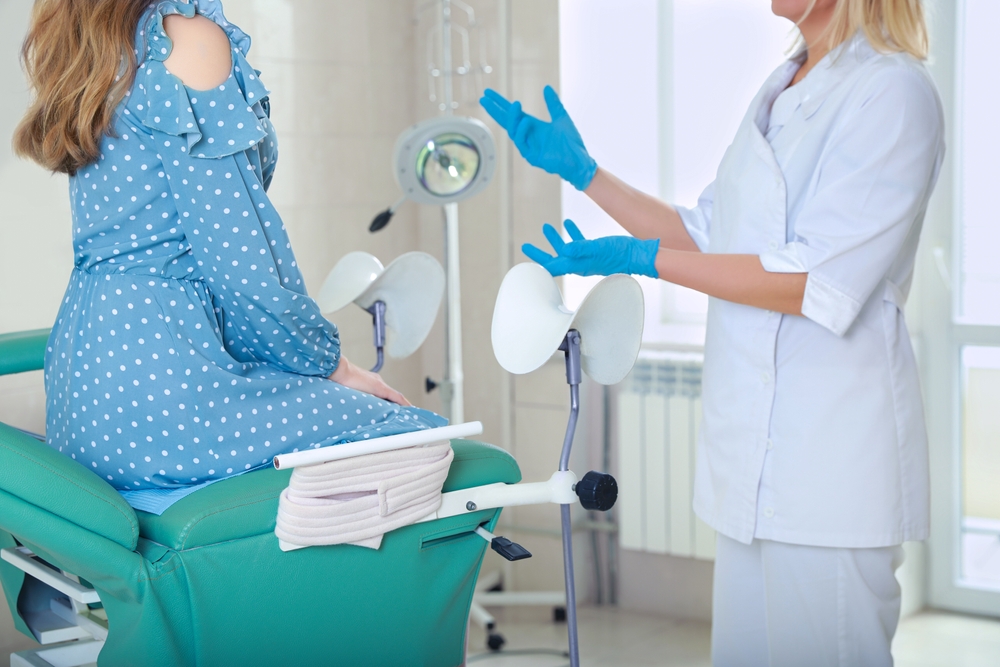
A typical gynecology visit near Potomac, MD, is much more than a physical check, it’s a comprehensive conversation about your reproductive and overall well-being.

Your appointment may include a pelvic exam, Pap smear, breast exam, or discussions about birth control, menstrual concerns, or menopause

If it’s your first time, your provider will guide you through each step with clarity and compassion, ensuring you’re informed and comfortable throughout the process.

When Should You Schedule a Gynecology Appointment?

Annual wellness visits are recommended for most women starting between ages 13 and 15, even if a pelvic exam isn’t necessary right away. 

These visits offer preventive care and help build trust with your provider. 

You should also schedule a gynecology visit if you’re experiencing:

  • Irregular or painful periods
  • Unusual discharge or discomfort
  • Signs of perimenopause or menopause
  • Family planning needs
  • Changes in sexual health

Is it time for your next gynecology visit near Potomac? 

If you’re unsure, consider whether any of these concerns apply to you, or simply check the calendar if it’s been more than a year since your last appointment.

Why These Visits Are So Important

Gynecologists are trained to detect health concerns that may otherwise go unnoticed. 

Cervical cancer screenings, breast exams, and early detection of reproductive conditions like fibroids or PCOS can make a major difference in outcomes. 

In fact, the American College of Obstetricians and Gynecologists notes that regular Pap tests have dramatically reduced the rate of cervical cancer in the U.S.

These appointments are also a space to ask questions that matter to you, about fertility, libido, mental health, or anything in between. 

Your gynecologist is one of your most trusted allies in your healthcare journey, so it’s of the utmost importance to find the provider that truly suits you, your comfort, and your needs.

Common Questions Answered

What should I do before my appointment?

Try to schedule your visit when you’re not on your period (if possible), avoid sexual activity 24 hours beforehand, and write down any questions you have. 

This ensures a smooth and productive appointment.

Will I always need a pelvic exam?

Not necessarily. 

Your provider will determine what’s needed based on your age, symptoms, and history. 

The goal is always to offer care that’s appropriate, evidence-based, and centered on you.

Choose Empowerment. Choose Confidence. Book Your Gynecology Visit Near Potomac Now!

There’s no substitute for proactive, informed care, especially when it comes to your health. 

A gynecology visit near Potomac isn’t just about checking boxes, it’s about cultivating awareness, preventing illness, and honoring your body’s evolving needs with grace and intelligence.

At Capital Women’s Care, our team of experienced experts pride themselves on offering the highest level of compassionate, thoughtful, and informative care in the region. 

You’re just a phone call away from the care you deserve.

Contact us online or give us a call at Capital Women’s Care at 301.593.8101 to speak with an experienced member of our team.You can also schedule your visit online. Prioritize yourself, because you’re worth it.