

By knowing what to expect during your first visit for a same-day OB/GYN in Laurel, it can eliminate some of the anxiety and make your experience more comfortable.

Here’s How to Find the Best OB/GYN in Laurel
If you’re wondering how to find the best OB/GYN in Laurel, you’ve come to the right place!

6 Questions to Consider Before Choosing the #1 Best OB/GYN in Silver Spring for You
Here are some important questions to consider before choosing the #1 best OB/GYN in Silver Spring for your needs.

Prep for Your Same-Day Gynecology Appointment in Silver Spring With Simple Tips
While annual check-ups are important, there are times when you may need to schedule a same-day gynecology appointment in Silver Spring.

6 Reasons to Schedule Your Next Mammogram ASAP
Regular mammograms are a critical part of breast health maintenance.
Here at Capital Women’s Care in Silver Spring and Laurel, Maryland, our team recommends you get a mammogram yearly if you’re at average risk of developing breast cancer and are 50-74 years old. Women who are 40-49 should also consider having this important screening.
Mammograms are an easy appointment to put off. They’re inconvenient and uncomfortable. Nonetheless, here are six reasons you shouldn’t delay making your mammogram appointment.
1. Mammograms can save lives
Mammograms can detect breast cancer in its earliest stages, often before symptoms are noticeable. Early detection is key to successful treatment and improved survival rates.
By undergoing a mammogram every year, you increase the likelihood of detecting any abnormalities early on, giving you the best chance for a positive outcome.
2. Mammograms detect nuanced changes
A clinical breast exam can detect palpable lumps, but that’s all. A mammogram is an essential tool for early detection because it can identify abnormalities such as tumors or calcifications that may not be felt during a physical exam.
3. Mammograms provide peace of mind
Regular mammograms offer peace of mind by providing reassurance that you’re aware of your breast health. If you have a personal history of breast cancer or a family history of breast cancer, this peace of mind is invaluable.
4. Mammograms detect changes over time
By scheduling regular mammograms, you and your health care provider can track changes in your breast tissue over time. This long-term data help us to identify any abnormalities or areas of concern that may develop between screenings.
5. Mammograms empower you
Knowledge is power when it comes to your health. By staying informed about the importance of mammograms and adhering to recommended screening guidelines, you empower yourself to take control of your breast health.
Knowledge enables you to make informed decisions about your health care and advocate for your well-being.
6. Mammograms are relatively quick and easy
While a mammogram isn’t a “fun” procedure, it takes just 20 minutes and causes only mild discomfort. This short inconvenience is worth the tradeoff of long-term good health and time with the people you love the most.
At Capital Women’s Care, we’re committed to providing you with compassionate, supportive care. From scheduling your mammogram appointment to interpreting results and discussing next steps, our team is here to support you every step of the way.
We understand that undergoing breast cancer screening can be an emotional experience, and we’re here to provide the guidance and reassurance you need.
Don’t wait – schedule your next mammogram appointment as soon as possible. Early detection through regular mammograms saves lives, offers peace of mind, and empowers you to take control of your breast health.
At Capital Women’s Care, we’re here to support you in prioritizing your breast health and well-being. Request an appointment by phone or online today.
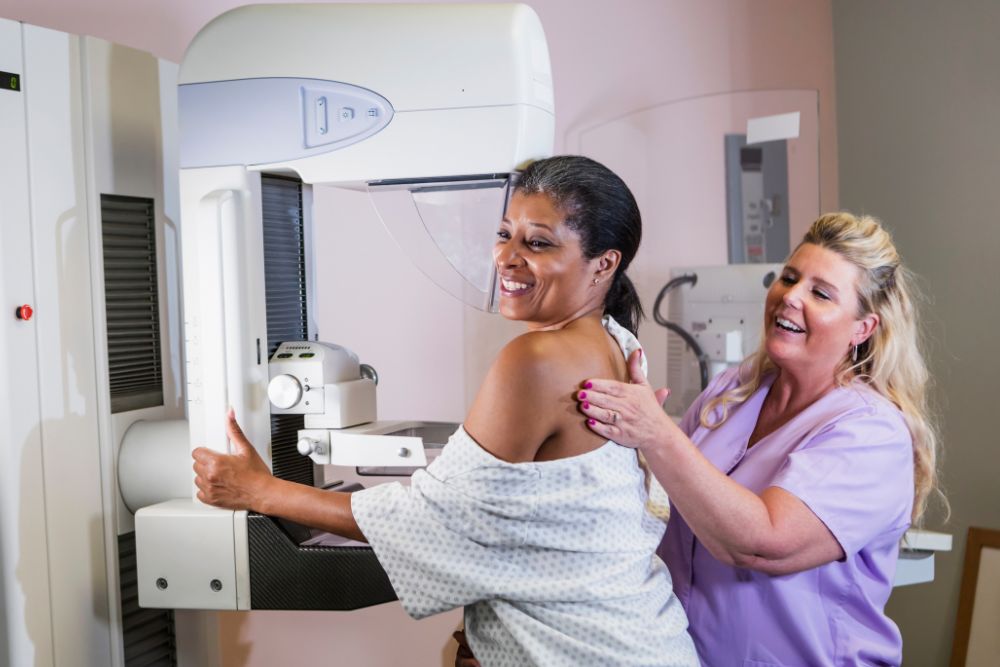
Why a Mammogram Is the Best Tool To Determine If a Woman Has Breast Cancer
Breast cancer is diagnosed in about 240,000 women in the United States every year. While it’s not a diagnosis you want, early detection gives you the best chance of treatment. For most women, mammography is the best tool to find breast cancer.
Here at Capital Women’s Care in Silver Spring and Laurel, Maryland, our team wants you to understand when and why you should start getting mammograms.
Significance of screening
Breast cancer is one of the most commonly diagnosed cancers among women globally. In fact, next to skin cancer, it’s the most common cancer among women. Given its prevalence, regular screenings are critical so it can be detected early.
Mammograms don’t prevent breast cancer, but they allow doctors to find it as quickly as possible so you get prompt treatment and have the best chance of beating the disease.
Mammography is the gold standard
Mammography is a specialized X-ray designed to detect changes in breast tissue, including lumps, masses, or microcalcifications. Its ability to identify these subtle changes makes it an unparalleled tool in breast cancer detection.
Mammograms have a high sensitivity, meaning they can detect a wide range of abnormalities, even before the emergence of physical symptoms, like breast thickening, breast swelling, or flaky skin in the nipple area.
Mammography screening recommendations
The following recommendations are for a woman who has an average risk of breast cancer. We consider you to be at average risk if you have no family or personal history of breast cancer, no genetic mutations associated with breast cancer, and haven’t had chest radiation before age 30.
We personalize your mammography recommendations if you’re at a higher risk of developing the disease.
Women between the ages of 40 and 44 have the option to start yearly screenings. Women who are 45-54 should prioritize yearly mammograms. Those who are older than 55 can opt to get a mammogram every other year or continue with yearly appointments.
As long as you’re in good health and expected to live another 10 years, it’s a good idea to continue regular mammogram screenings.
Overcome the barriers to mammograms
Many women have fear or anxiety surrounding mammograms. We’re here to assure you that the imaging is nothing to fear, and the results could save your life.
Mammography is a powerful screening tool that helps us to identify breast abnormalities early. At Capital Women’s Care, we emphasize the importance of regular mammograms in saving lives and promoting your health.
If you’re due for a mammogram, don’t hesitate to request an appointment by phone or online today. We can get you scheduled, evaluate your results, and guide you through any necessary follow-up care.

When to Worry About One-Sided Pelvic Pain
Pelvic pain can point to a number of different conditions, including nerve irritation, digestive concerns, problems with the reproductive organs, or even pregnancy complications. Of course, not all pelvic pain is of immediate concern, as it could be normal menstrual cramps or a simple pulled muscle.
You know your body. If your pelvic pain is located on just one side and is causing you concern, it’s smart to reach out to an expert, like those on our team at Capital Women’s Care in Silver Spring and Laurel, Maryland.
Here’s what to know about one-sided pelvic pain and when you should consider scheduling a consultation.
When to be concerned about pelvic pain
If you’re experiencing persistent or worsening one-sided pelvic pain, it’s time to schedule an appointment at our office. However, don’t wait for an appointment and get immediate medical attention instead if you experience:
- Severe pain or sudden onset of intense discomfort
- Vaginal bleeding outside of your menstrual cycle
- Fever or chills
- Dizziness or fainting
These symptoms could be signs of a serious complication like appendicitis, a miscarriage, or a ruptured ovarian cyst.
Potential causes of one-sided pelvic pain
Pelvic pain localized to one side can result from various sources, including the reproductive organs, gastrointestinal tract, urinary system, or musculoskeletal structures. Identifying the underlying cause is crucial for timely intervention and effective management.
Potential reasons for your pain are:
Menstrual cycle
Ovulation, the natural part of the menstrual cycle when eggs are released from the ovaries, can cause mild discomfort on one side of the pelvis. This pain doesn’t usually persist.
Reproductive health issues
Conditions such as ovarian cysts, endometriosis, or pelvic inflammatory disease (PID) can cause one-sided pelvic pain. If you experience irregular bleeding, pain during intercourse, or changes in bowel habits, reach out to our office for an evaluation.
Ectopic pregnancy
One-sided pelvic pain, especially when it’s associated with vaginal bleeding and dizziness, could indicate an ectopic pregnancy. This develops when a fertilized egg implants outside of the uterus. It’s a serious condition that requires immediate medical attention to prevent complications.
Gastrointestinal causes
Your pelvic pain may not have to do with your female reproductive organs. Disorders like irritable bowel syndrome (IBS) or inflammatory bowel disease (IBD) may show up as pelvic pain.
If we find that digestive symptoms are your primary complaint and gynecological exams show no evidence of a problem, we may refer you to a trusted gastroenterologist in the area.
Urinary tract issues
Infections or kidney stones can cause one-sided pelvic pain. If you experience pain during urination, changes in urine color, or persistent urgency, we can examine your urinary tract health and recommend a urologist if you need their specialized care.
Occasional pelvic discomfort may be a normal part of a woman’s life, but that doesn’t mean you should ignore all pelvic pain.
Don’t hesitate to request an appointment at Capital Women’s Care if you have one-sided pelvic pain that’s causing you concern. We ensure that you receive the care and attention you deserve.
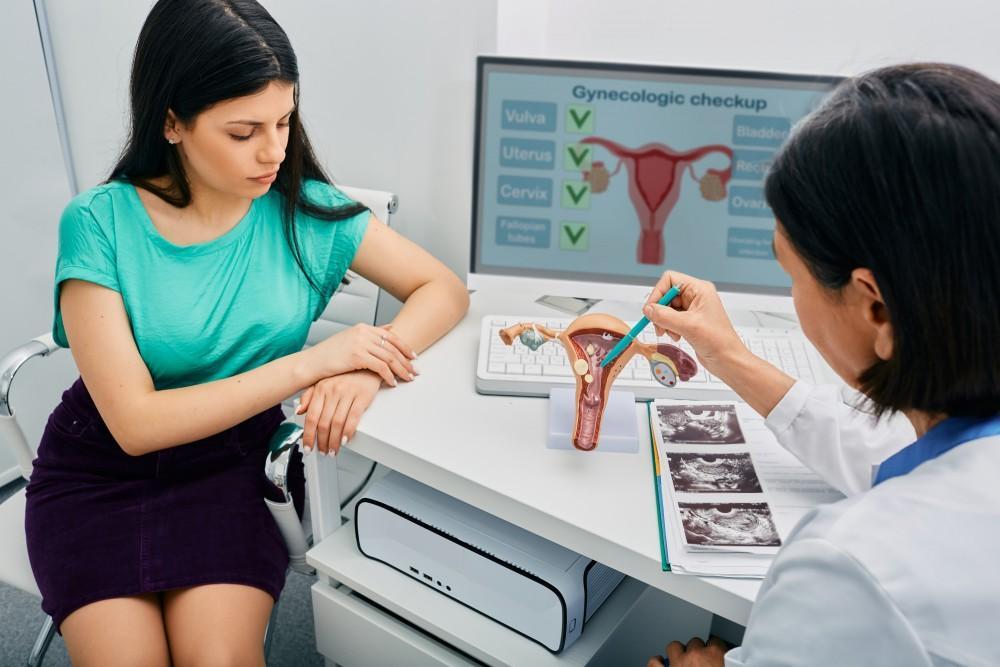
4 Signs It’s Time for an Infertility Evaluation
The decision to start your family is an exciting one. You imagine the joyous experience of pregnancy and bringing home your new baby. Getting to the point of conception isn’t always easy, however.
When you’re trying to get pregnant, it sometimes seems that everyone around you is able to conceive easily while it’s taking you and your partner forever. In reality, about 11% of women and 9% of men have experienced problems with fertility.
How do you know when it’s time to seek fertility help from our team of experts at Capital Women’s Care in Silver Spring and Laurel, Maryland?
If you’ve been trying to conceive without any luck, here are four signs that it’s time for an infertility evaluation.
One year and no pregnancy
The general guideline is that if you’ve been trying to conceive for one year without success, it’s time to seek professional advice. However, for women over the age of 35, we recommend seeking help after six months due to the natural decline in fertility with age.
Our experienced fertility specialists conduct a thorough examination of both partners, assessing factors such as hormonal balance, ovulation patterns, and sperm quality to identify any underlying issues.
Your period is irregular
Irregular menstrual cycles are often a sign of reproductive health issues, such as polycystic ovary syndrome (PCOS) or hormonal imbalances. If you’ve noticed irregularities in your cycle, or if it’s consistently shorter than 21 days or longer than 35 days, make an appointment at our office.
Regular menstrual cycles are essential for successful conception. They’re a sign that you’re ovulating every month. Ovulation is the time when one of a woman’s ovaries releases an egg that’s ready for fertilization.
Addressing any cycle irregularities early on can significantly improve your chances of getting pregnant.
You’ve experienced pregnancy loss
If you’ve experienced two or more consecutive miscarriages, it’s time to consider an infertility evaluation. Recurrent pregnancy loss can indicate fertility problems, including chromosomal abnormalities, uterine issues, or hormonal imbalances.
Capital Women’s Care offers compassionate care and a comprehensive assessment to identify the root cause of recurrent pregnancy loss, guiding you toward personalized treatment options.
You have a known reproductive health issue
If you or your partner has a history of reproductive health issues, such as endometriosis, previous surgeries, or sexually transmitted infections (STIs), an infertility evaluation is a good idea. These factors can significantly impact fertility and may require specialized interventions.
We’re well-equipped to address pre-existing conditions and develop tailored treatment plans to improve your chances of conception.
If you’re looking to get pregnant but are experiencing challenges along the way, our OB/GYN clinic is here to provide support and expertise.
If you notice any of these signs that it’s time for an infertility evaluation, set up a consultation today. Call Capital Women’s Care or use this website to request your appointment. Don’t hesitate to reach out to our compassionate team for guidance on your fertility journey.

Fetal Movement: What’s Normal and What’s Not
One of the most eagerly anticipated signs of a developing baby is the sensation of fetal movement. These movements, often referred to as “quickening,” are a reassuring sign that your little one is growing and developing.
Not all babies move the same way while in the womb, however. It’s normal for expectant mothers to be concerned about what’s considered normal and when to be concerned about fetal movements.
At Capital Women’s Care in Silver Spring and Laurel, Maryland, our team’s top priorities are your health and your baby’s. We want to put your mind at ease so you know what is normal when it comes to fetal movement.
Take a moment to learn what’s normal vs. what you should bring to our attention when you feel your baby move.
Understanding fetal movement
Fetal movement is one of the earliest indicators of a growing fetus. It usually begins between the 16th and 25th weeks of pregnancy, although it may vary from person to person and pregnancy to pregnancy.
These movements start subtly and may feel like gentle flutters, bubbles, or gas. As your pregnancy progresses, the movements become more pronounced and recognizable.
As you approach the third trimester, you might notice a change in the character of your baby’s movements. They may become more deliberate and forceful, which is entirely normal.
Normal fetal movement
The frequency of fetal movement patterns can vary as well, but on average, you should feel your baby move at least 10 times in two hours. This is a general guideline, and it’s important to remember that every pregnancy is unique. Some babies are naturally more active, while others are quieter.
You’ll notice your baby tends to be more active during certain times of the day, often when you’re relaxed or lying down. Pay attention to your baby’s individual schedule. You might notice a daily pattern of increased activity.
Fetal movements can include kicks, punches, rolls, and hiccups. It’s essential to pay attention to different types of movements, not just the intensity.
When to be concerned about fetal movement
While fetal movement is a positive sign of your baby’s well-being, here are some situations where you should contact us:
Decreased movements
If you notice a significant decrease in fetal movements, or if your baby has been less active than usual, contact our office. This could indicate potential issues with your baby’s health.
No movement
If you haven’t felt any fetal movement by 24 weeks, you should absolutely contact our office. This could be a sign of fetal distress.
Sudden changes in movement
If you experience sudden and severe changes in your baby’s movements, such as constant and violent kicking, this could be a cause for concern.
Lack of consistency
If your baby’s movements are inconsistent or irregular, it’s a good idea to seek medical advice. A consistent pattern of movements is often reassuring.
Fetal movement is a sign of your baby’s growth and development and creates a beautiful connection between you and your unborn child. We want to help you understand what’s normal and what’s not so you can be attentive to your baby’s health and needs.
Contact Capital Women’s Care today to set up a consultation if you have any pregnancy or gynecology questions. Call or use this website to request your appointment today.

My Last Pregnancy Was High Risk. What Should I Do to Prepare for the Next One?
Bringing a new life into the world is a beautiful and transformative experience. However, complications develop in up to 50,000 pregnancies in the United States each year, so they’re categorized as “high risk.”
High-risk pregnancies can be challenging and require extra care and attention from both you and your health care provider. Remember, knowledge and preparation are your allies in ensuring a safe and healthy pregnancy journey.
At Capital Women’s Care in Silver Spring and Laurel, Maryland, our team’s top priorities are the health of you and your baby. If you had a high-risk pregnancy in the past, we’re ready to help.
Share with us your concerns, medical history, and details about your previous high-risk pregnancy. We can help you determine whether it’s safe for you to conceive again.
If another pregnancy is in your future, learn how to prepare for it to minimize the likelihood of complications.
Address any underlying health conditions
If underlying health conditions, such as diabetes or lupus, contributed to your previous high-risk pregnancy, it’s essential to manage them effectively before getting pregnant again. This may involve medication adjustments, lifestyle changes, or specialized treatment plans to optimize your health for pregnancy.
Optimize your lifestyle
Maintaining a healthy lifestyle is always important for a healthy pregnancy. Focus on:
Eating a healthy diet
Eat a balanced diet rich in nutrients. Consider consulting with a nutritionist for a personalized plan.
Exercising
Engage in regular, moderate exercise to keep your body strong and prepare it for the physical demands of pregnancy.
Stopping smoking and alcohol consumption
If you smoke or consume alcohol, now is the time to quit. Both can have adverse effects on pregnancy.
Keep up with your weight
Achieve and maintain a healthy weight before conception. Obesity can increase the risk of complications during pregnancy.
Take prenatal vitamins
Start taking prenatal vitamins with folic acid at least one month before you plan to conceive. Folic acid helps prevent certain birth defects of the baby’s brain and spine.
Ask about genetic counseling
If your previous high-risk pregnancy was due to a genetic condition or you have concerns about inherited diseases, consider genetic counseling. This can help you understand the risk and explore options for genetic testing.
Take care of your emotional and mental well-being
Pregnancy can be emotionally challenging, especially after a high-risk experience. Seek emotional support from friends, family, or a therapist. Joining support groups for women who also had high-risk pregnancies can provide a sense of community and reassurance. We can help you find you the appropriate support.
Monitor your cycles
Keep track of your menstrual cycles and ovulation to maximize your chances of conceiving when your body is most fertile. This can be particularly important if you’ve been trying to conceive for some time.
Get regular check-ups during pregnancy
Once you become pregnant, don’t miss any scheduled prenatal check-ups and screenings. High-risk pregnancies require close monitoring through exams and ultrasound, and detecting issues early can lead to better outcomes. We set up appointments in advance and ensure you get the necessary evaluations.
With careful planning, proactive health management, and the guidance of our skilled team at Capital Women’s Care, you can take important steps to reduce the risk of having another high-risk pregnancy. And, if you need extra care and support, we’re here for you.
Contact Capital Women’s Care today to set up a consultation if you have any pregnancy or gynecology questions. Call or use this website to request your appointment today.