
6 Reasons to Schedule Your Next Mammogram ASAP

Regular mammograms are a critical part of breast health maintenance. 

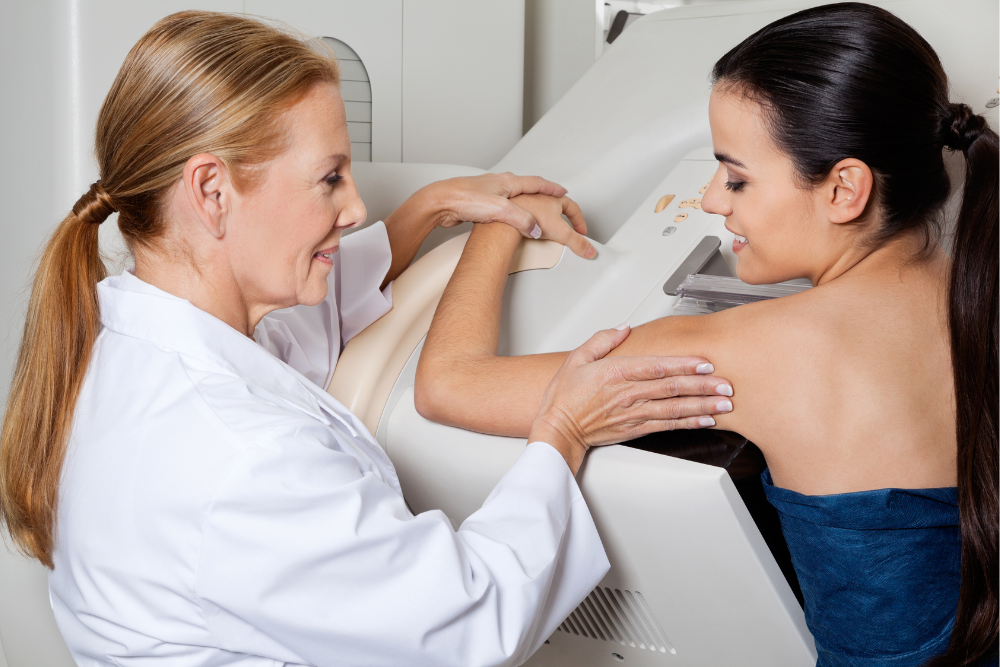
Here at Capital Women’s Care in Silver Spring and Laurel, Maryland, our team recommends you get a mammogram yearly if you’re at average risk of developing breast cancer and are 50-74 years old. Women who are 40-49 should also consider having this important screening.

Mammograms are an easy appointment to put off. They’re inconvenient and uncomfortable. Nonetheless, here are six reasons you shouldn’t delay making your mammogram appointment. 

1. Mammograms can save lives

Mammograms can detect breast cancer in its earliest stages, often before symptoms are noticeable. Early detection is key to successful treatment and improved survival rates. 

By undergoing a mammogram every year, you increase the likelihood of detecting any abnormalities early on, giving you the best chance for a positive outcome.

2. Mammograms detect nuanced changes

A clinical breast exam can detect palpable lumps, but that’s all. A mammogram is an essential tool for early detection because it can identify abnormalities such as tumors or calcifications that may not be felt during a physical exam. 

3. Mammograms provide peace of mind

Regular mammograms offer peace of mind by providing reassurance that you’re aware of your breast health. If you have a personal history of breast cancer or a family history of breast cancer, this peace of mind is invaluable. 

4. Mammograms detect changes over time

By scheduling regular mammograms, you and your health care provider can track changes in your breast tissue over time. This long-term data help us to identify any abnormalities or areas of concern that may develop between screenings. 

5. Mammograms empower you

Knowledge is power when it comes to your health. By staying informed about the importance of mammograms and adhering to recommended screening guidelines, you empower yourself to take control of your breast health. 

Knowledge enables you to make informed decisions about your health care and advocate for your well-being.

6. Mammograms are relatively quick and easy

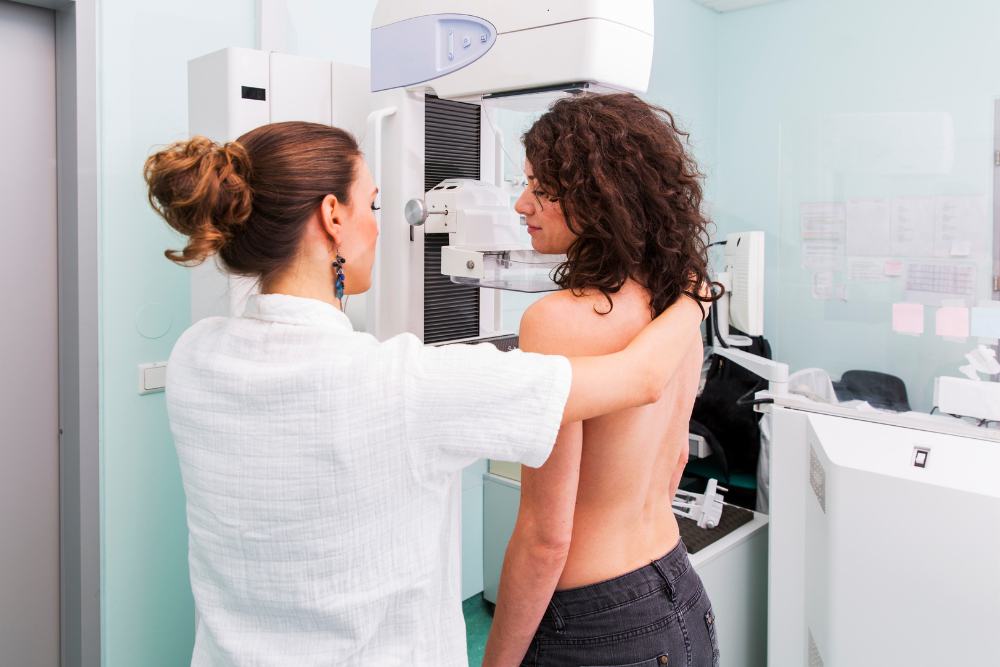
While a mammogram isn’t a “fun” procedure, it takes just 20 minutes and causes only mild discomfort. This short inconvenience is worth the tradeoff of long-term good health and time with the people you love the most. 

At Capital Women’s Care, we’re committed to providing you with compassionate, supportive care. From scheduling your mammogram appointment to interpreting results and discussing next steps, our team is here to support you every step of the way. 

We understand that undergoing breast cancer screening can be an emotional experience, and we’re here to provide the guidance and reassurance you need.

Don’t wait – schedule your next mammogram appointment as soon as possible. Early detection through regular mammograms saves lives, offers peace of mind, and empowers you to take control of your breast health. 

At Capital Women’s Care, we’re here to support you in prioritizing your breast health and well-being. Request an appointment by phone or online today.

Why a Mammogram Is the Best Tool To Determine If a Woman Has Breast Cancer

Breast cancer is diagnosed in about 240,000 women in the United States every year. While it’s not a diagnosis you want, early detection gives you the best chance of treatment. For most women, mammography is the best tool to find breast cancer.

Here at Capital Women’s Care in Silver Spring and Laurel, Maryland, our team wants you to understand when and why you should start getting mammograms.

Significance of screening

Breast cancer is one of the most commonly diagnosed cancers among women globally. In fact, next to skin cancer, it’s the most common cancer among women. Given its prevalence, regular screenings are critical so it can be detected early.

Mammograms don’t prevent breast cancer, but they allow doctors to find it as quickly as possible so you get prompt treatment and have the best chance of beating the disease.

Mammography is the gold standard

Mammography is a specialized X-ray designed to detect changes in breast tissue, including lumps, masses, or microcalcifications. Its ability to identify these subtle changes makes it an unparalleled tool in breast cancer detection.

Mammograms have a high sensitivity, meaning they can detect a wide range of abnormalities, even before the emergence of physical symptoms, like breast thickening, breast swelling, or flaky skin in the nipple area. 

Mammography screening recommendations

The following recommendations are for a woman who has an average risk of breast cancer. We consider you to be at average risk if you have no family or personal history of breast cancer, no genetic mutations associated with breast cancer, and haven’t had chest radiation before age 30. 

We personalize your mammography recommendations if you’re at a higher risk of developing the disease. 

Women between the ages of 40 and 44 have the option to start yearly screenings. Women who are 45-54 should prioritize yearly mammograms. Those who are older than 55 can opt to get a mammogram every other year or continue with yearly appointments. 

As long as you’re in good health and expected to live another 10 years, it’s a good idea to continue regular mammogram screenings. 

Overcome the barriers to mammograms

Many women have fear or anxiety surrounding mammograms. We’re here to assure you that the imaging is nothing to fear, and the results could save your life. 

Mammography is a powerful screening tool that helps us to identify breast abnormalities early. At Capital Women’s Care, we emphasize the importance of regular mammograms in saving lives and promoting your health. 

If you’re due for a mammogram, don’t hesitate to request an appointment by phone or online today. We can get you scheduled, evaluate your results, and guide you through any necessary follow-up care.

When to Worry About One-Sided Pelvic Pain

Pelvic pain can point to a number of different conditions, including nerve irritation, digestive concerns, problems with the reproductive organs, or even pregnancy complications. Of course, not all pelvic pain is of immediate concern, as it could be normal menstrual cramps or a simple pulled muscle.

You know your body. If your pelvic pain is located on just one side and is causing you concern, it’s smart to reach out to an expert, like those on our team at Capital Women’s Care in Silver Spring and Laurel, Maryland.

Here’s what to know about one-sided pelvic pain and when you should consider scheduling a consultation.

When to be concerned about pelvic pain

If you’re experiencing persistent or worsening one-sided pelvic pain, it’s time to schedule an appointment at our office. However, don’t wait for an appointment and get immediate medical attention instead if you experience:

  • Severe pain or sudden onset of intense discomfort
  • Vaginal bleeding outside of your menstrual cycle
  • Fever or chills
  • Dizziness or fainting

These symptoms could be signs of a serious complication like appendicitis, a miscarriage, or a ruptured ovarian cyst. 

Potential causes of one-sided pelvic pain

Pelvic pain localized to one side can result from various sources, including the reproductive organs, gastrointestinal tract, urinary system, or musculoskeletal structures. Identifying the underlying cause is crucial for timely intervention and effective management. 

Potential reasons for your pain are:

Menstrual cycle 

Ovulation, the natural part of the menstrual cycle when eggs are released from the ovaries, can cause mild discomfort on one side of the pelvis. This pain doesn’t usually persist.

Reproductive health issues

Conditions such as ovarian cysts, endometriosis, or pelvic inflammatory disease (PID) can cause one-sided pelvic pain. If you experience irregular bleeding, pain during intercourse, or changes in bowel habits, reach out to our office for an evaluation.

Ectopic pregnancy

One-sided pelvic pain, especially when it’s associated with vaginal bleeding and dizziness, could indicate an ectopic pregnancy. This develops when a fertilized egg implants outside of the uterus. It’s a serious condition that requires immediate medical attention to prevent complications.

Gastrointestinal causes

Your pelvic pain may not have to do with your female reproductive organs. Disorders like irritable bowel syndrome (IBS) or inflammatory bowel disease (IBD) may show up as pelvic pain. 

If we find that digestive symptoms are your primary complaint and gynecological exams show no evidence of a problem, we may refer you to a trusted gastroenterologist in the area. 

Urinary tract issues

Infections or kidney stones can cause one-sided pelvic pain. If you experience pain during urination, changes in urine color, or persistent urgency, we can examine your urinary tract health and recommend a urologist if you need their specialized care.

Occasional pelvic discomfort may be a normal part of a woman’s life, but that doesn’t mean you should ignore all pelvic pain. 

Don’t hesitate to request an appointment at Capital Women’s Care if you have one-sided pelvic pain that’s causing you concern. We ensure that you receive the care and attention you deserve.