
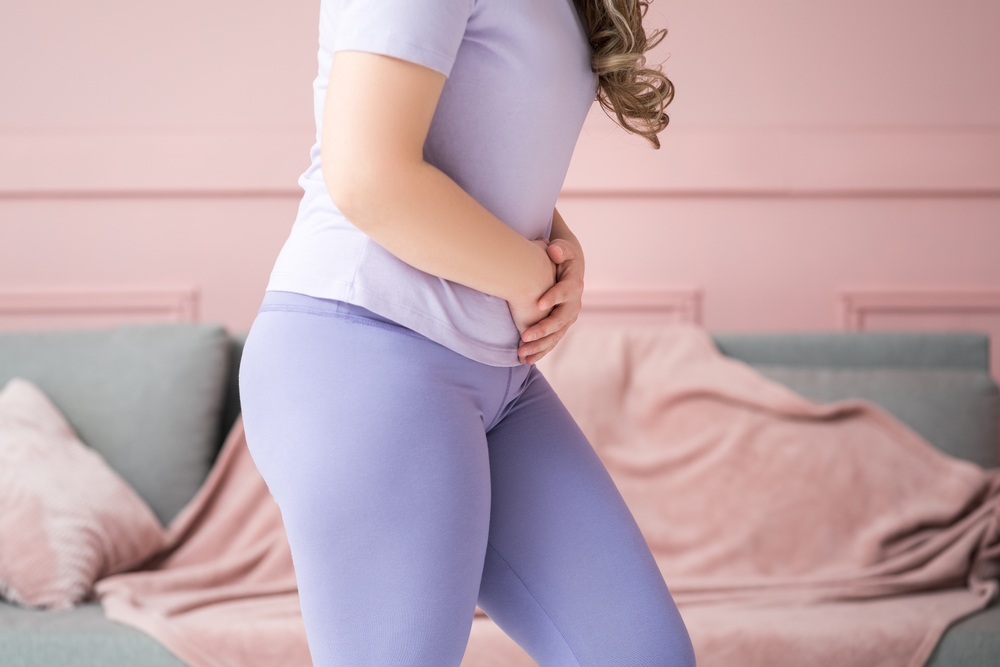
Different kinds of pelvic pains can often blur together, yet the causes are not always the same.
Clear, simple distinctions help you feel informed, calm, and ready to choose next steps that fit your life, and lifestyle.
You are not alone. And this quick and informative read breaks down pelvic congestion syndrome vs endometriosis will leave you feeling more empowered to make the right choice for you and your family.
Pelvic Congestion Syndrome vs Endometriosis at a Glance
Pelvic congestion syndrome (PCS) often causes a dull, heavy ache that builds through the day, worsens with standing or after sex, and is common after pregnancy. The pain is usually noncyclic.
Endometriosis pain is frequently cyclic and may surge just before and during periods, with pain during sex, bowel movements, or urination, and can affect fertility.
If you are comparing pelvic congestion syndrome vs endometriosis, start by noticing when the pain appears, what triggers it, and what reliably eases it.
Pelvic Congestion Syndrome vs Endometriosis: What Each Condition Is
PCS stems from enlarged, inefficient pelvic veins that let blood pool, creating pressure and discomfort similar to varicose veins elsewhere.
Endometriosis involves tissue similar to the uterine lining growing outside the uterus, which can inflame nearby organs and create adhesions.
How the Pain Feels and When It Shows Up
- PCS clues: aching after long days on your feet, pain that eases when you lie down, visible vulvar or upper thigh varicose veins, and tenderness low in the abdomen
- Endometriosis clues: cramping that is worse around periods, pelvic pain with sex, heavy or irregular bleeding, and sometimes bowel or bladder pain during menses
Tracking a two to four week diary of timing, triggers, and relief can make patterns obvious and guide evaluation.
Clues From Exams and Imaging
A pelvic exam is a reasonable first step.
For suspected endometriosis, guidelines support exam and targeted imaging, with laparoscopy considered when diagnosis is uncertain or symptoms persist despite care.
For PCS, Doppler ultrasound or cross sectional imaging can show dilated ovarian or pelvic veins, and venography may confirm venous reflux in select cases.
Sorting pelvic congestion syndrome vs endometriosis often requires both a careful history and the right imaging so treatment matches the cause.
Treatment Paths and Recovery
- PCS options: activity changes, symptom relief strategies, and for persistent pain, minimally invasive ovarian or pelvic vein embolization performed by an interventional radiologist. Many patients improve when incompetent veins are sealed
- Endometriosis options: lifestyle support, pain relief, hormonal therapies to suppress lesions, and surgical treatment when needed, especially for severe pain or fertility goals
Quick Questions, Clear Answers
- Does either condition go away on its own? Endometriosis tends to persist without management, PCS may ebb with posture changes yet often needs targeted care
- Can I have both? Yes, overlapping causes of pelvic pain are possible, which is why a personalized plan matters
- Will exercise help? Gentle movement, core and pelvic floor work, and stress reduction can ease symptoms, though they do not replace medical treatment when needed
And if you have any other questions, never hesitate to ask. An expert provider will always be happy to support you.
What To Ask When Comparing Treatment for Pelvic Congestion Syndrome vs Endometriosis
Ask your clinician:
- What tests make sense for my pattern of pain?
- Which treatments match my goals today, pain relief, fertility, daily function?
- How will we measure progress, and when should we adjust?
Your Next Step
You deserve answers and a plan that respects you as the unique individual you are. That’s what our team here at Capital Women’s Care does.
If you want a thoughtful evaluation and clear guidance from a team that truly listens and knows what you’re going through, contact Capital Women’s Care.
Contact us online to request an appointment or give us a call today at 301-593-8101 to schedule a visit and move toward steady relief and confident next steps.