
Have you ever received a mammogram report that mentioned “dense breast tissue” but weren’t quite sure what that meant?
You’re not alone. Many women see that line in their results and are left with more questions than answers.
Dense breast tissue in Silver Spring, MD?
It’s time to learn what breast density means, how it affects screening, and what steps you’ll need to take next.
Keep reading to feel more empowered and informed than ever before to take your care into your hands.
So What is Dense Breast Tissue in Silver Spring, and What Should You do About it?
Let’s start with the basics. All breasts are made up of a combination of glandular tissue, connective tissue, and fat.
Dense breast tissue means there is more glandular and connective tissue, and less fatty tissue. It’s not something you can feel or detect on your own, and it doesn’t cause symptoms.
You can only find out if you have it through a mammogram.
Why Does Density Matter?
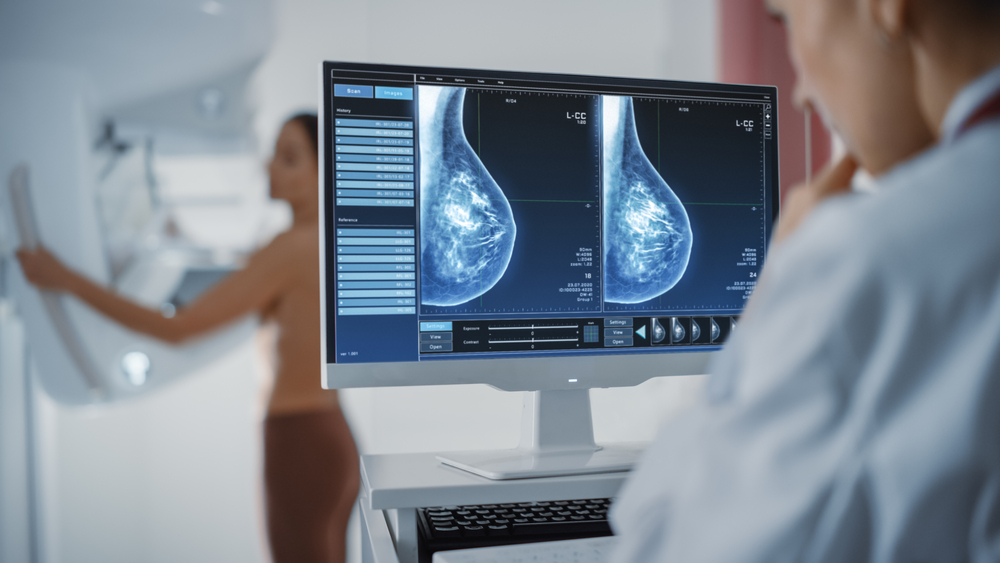
On a mammogram, fatty tissue appears dark while dense tissue looks white.
The problem is that cancers also appear white, making them harder to detect in dense tissue.
This means that mammograms may be less sensitive for women with dense breasts, increasing the risk of a missed diagnosis.
Another important fact is that having dense breast tissue is also considered an independent risk factor for breast cancer.
According to the American College of Radiology, women with extremely dense breasts may have up to four times the risk of developing breast cancer compared to women with mostly fatty breasts.
That’s a significant number, which is why awareness and personalized screening are so important.
What Causes Dense Breasts?
For many women, it simply comes down to genetics and age.
Dense breasts are more common in younger women and tends to decrease with age, especially after menopause.
However, some women continue to have dense tissue later in life.
Hormone therapy can also affect density, as can certain lifestyle and medical factors.
What Should You do if You’re Told You Have Dense Breast Tissue in Silver Spring?
First, don’t panic. It’s not a diagnosis, and it doesn’t mean you have cancer.
It simply means that your provider may recommend additional screening methods to make sure nothing is missed.
These might include breast ultrasound, breast MRI, or newer forms of 3D mammography, also known as digital breast tomosynthesis.
If you’re unsure about what kind of follow-up screening you need, talk to your provider.
They’ll take into account your personal risk factors, including family history, age, and any genetic testing you may have had.
Does Having Dense Breast Tissue Change how Often You Should be Screened?
It might.
While annual mammograms remain the standard for most women starting at age 40, those with dense tissue may benefit from customized screening schedules.
That’s why it’s essential to have an experienced and well-regarded provider who looks beyond the surface and builds a plan that fits your unique and individual needs.
Why Dense Breast Tissue in Silver Spring Deserves Personalized Attention
Dense breast tissue in Silver Spring, MD does not have to be a mystery or be a cause for fear.
With the right information, the right screenings, and the right care team, you can take control of your breast health with confidence.
At Capital Women’s Care, all our patients know to expect the highest level of professionalism, compassion, and expert care.
If you’ve recently received a mammogram report mentioning density, or you just want to be sure your screenings are as thorough as possible, call us today at 301-593-8101 to schedule a conversation with someone who truly listens and understands.
Or, if you’re ready to get started right away, book an appointment online now!