Navigating your health is undeniably confusing, especially when it comes to figuring out the differences between fibroids vs cysts. If this is your struggle, you’re not alone.
Read on for what doctors want you to know, including how they differ and what you can do for symptom relief, such as laparoscopic surgery!
Understanding Cysts: What They Are, Including Their Symptoms and Causes
Cysts are pus or fluid-filled sacs that can develop almost anywhere in your body, including your ovaries, skin, breasts, or internal organs.
Ovarian cysts are one of the most common and form naturally during your menstrual cycle. Many of them are ultimately harmless and resolve on their own without treatment.
Larger or more persistent cysts may cause symptoms such as pelvic pain, bloating, or irregular periods. They can also rupture or result in torsion.
They can be caused by hormonal imbalances, endometriosis, infections, and blocked ducts. Some may result from ovulation itself, known as functional cysts, which are usually benign.
Understanding Fibroids: What They Are, Including Their Symptoms and Causes
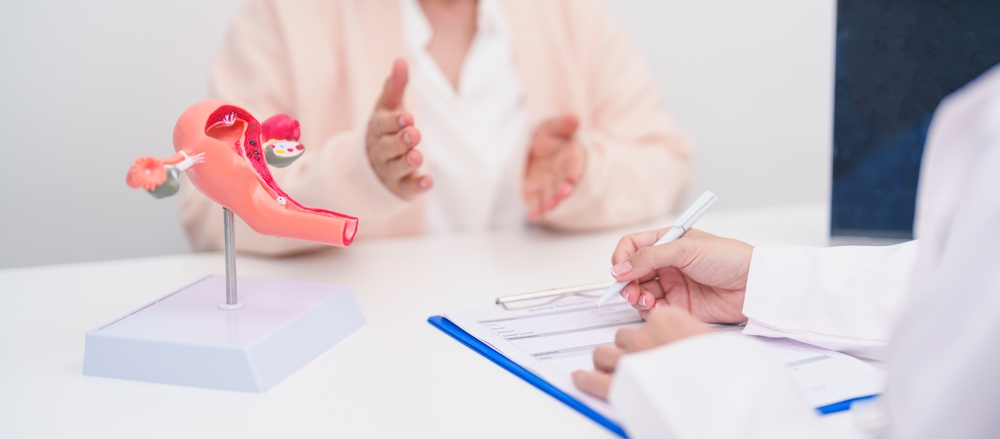
Uterine fibroids, or leiomyomas, are noncancerous growths that develop within or on your uterus. They are composed of muscle and fibrous tissue, varying in size from a tiny seed to a large mass.
While some individuals experience no symptoms whatsoever, others do. Heavy or prolonged menstrual bleeding, pelvic pressure, frequent urination, or painful intercourse are common symptoms.
The exact cause of fibroids is not yet fully understood. Risk factors include high blood pressure, genetics, obesity, hormonal changes, and excess levels of estrogen.
They tend to develop during your reproductive years and often shrink after menopause when hormone levels naturally decline.
Fibroids vs Cysts: Differentiating the Two for Accurate Medical Care
Although cysts and fibroids are both growths that can form in or around your reproductive organs, they differ in structure, cause, and treatment.
Cysts are fluid-filled, while fibroids are solid masses of tissue. Cysts form as a result of ovulation or hormonal fluctuations, whereas fibroids stem from abnormal muscle growth in the uterus.
Symptoms certainly overlap, such as discomfort and bloating, which is why professional evaluation is essential.
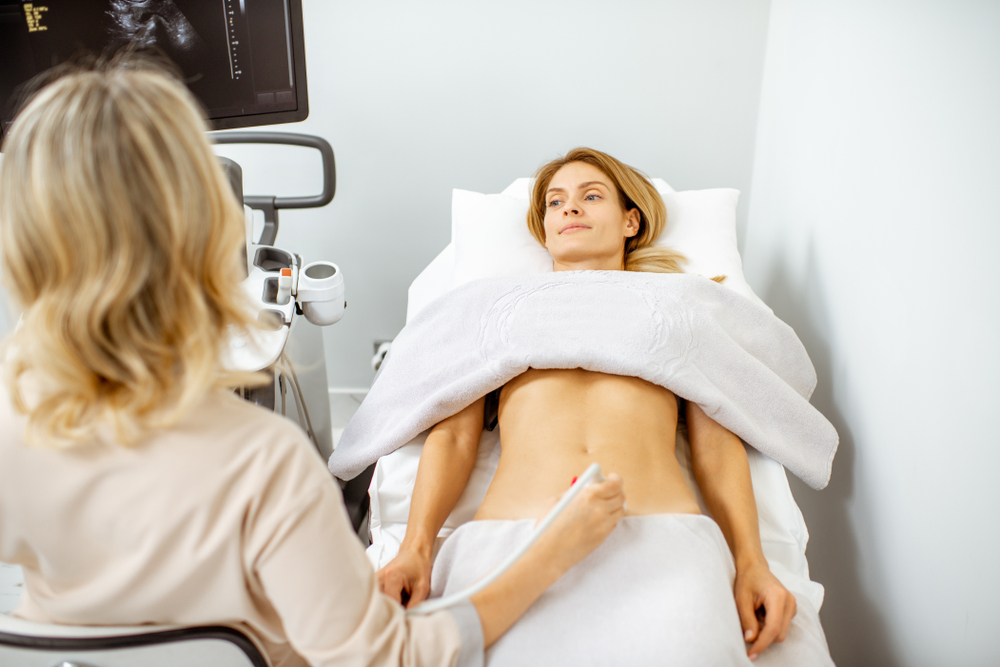
A pelvic ultrasound or MRI can help distinguish between the two and guide your treatment plan.
Accurate diagnosis ensures the right management technique, whether that means observation, medication, or minor surgical intervention.
Long-Term Effects: How Both Cysts and Fibroids Can Affect Your Fertility
Both conditions can impact fertility, depending on their size, location, and severity.
Ovarian cysts that interfere with ovulation can make conception more difficult overall.
Similarly, large leiomyomas may distort the shape of your uterus or block the fallopian tubes, reducing the likelihood of implantation or increasing miscarriage risk.
With early diagnosis and the correct treatment approach, many people can conceive naturally or with the help of fertility therapies. It’s also necessary to maintain your pelvic health in general.
Finding Success: How Your Provider Is Able to Help You With Proven Treatments
Your healthcare provider can offer several personalized options depending on your diagnosis of fibroids vs cysts. This includes:
- Embolization to cut off blood flow to the leiomyomas and shrink them.
- Hormonal birth control to regulate your cycle, prevent cyst formation, and manage symptoms.
- Laparoscopic surgery to physically remove cysts in a minimally invasive procedure.
- Myomectomy that surgically removes fibroids while preserving your uterus.
In extreme cases, a hysterectomy may be advised to remove fibroids.
Prioritize Your Health With Compassionate, Effective Care Services at Capital Women’s Care!
While these are common health conditions, it’s scary to experience them alone. With our top-rated women’s health providers in Silver Spring and Laurel, Maryland, you can face your health struggles with professional guidance and ongoing support.
Take the next step today! Call our office at (301) 593-8101 or visit our website to book online today. We look forward to helping you.