
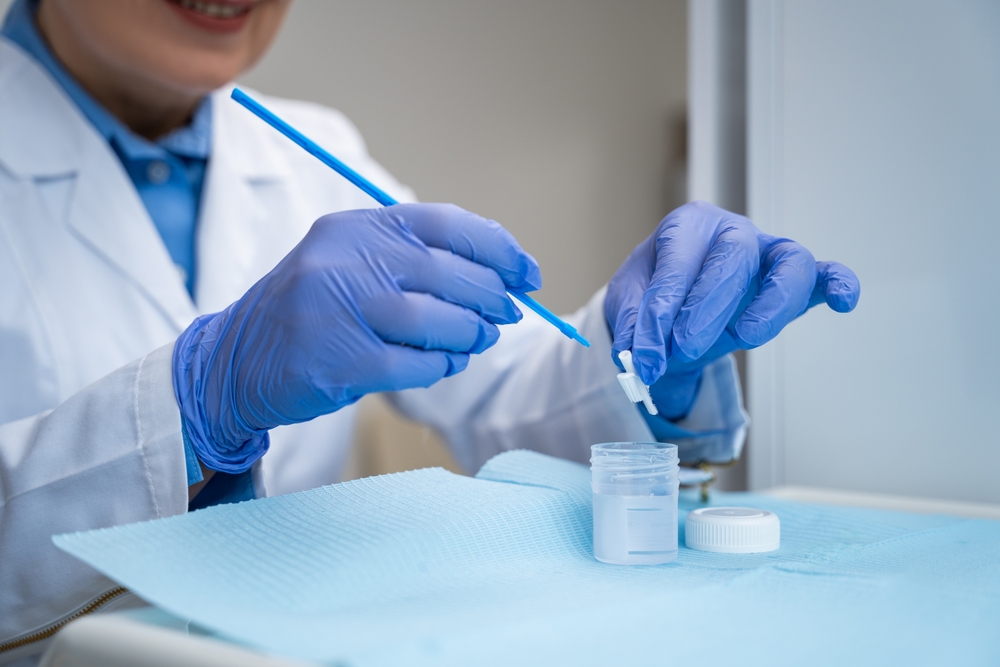
An HPV test in Silver Spring, Maryland, plays an important role in protecting long term cervical health. HPV or human papillomavirus is extremely common and often produces no symptoms at all. In many cases the immune system clears the virus naturally. In other cases certain high risk strains can lead to cervical cell changes that may eventually develop into cancer if left undetected.
HPV testing is a powerful preventive tool that works alongside routine Pap smears to identify risk early and guide timely care.
HPV test in Silver Spring, Maryland: What it Detects and Why it Matters
An HPV test in Silver Spring, Maryland, checks for the presence of high-risk strains of the human papillomavirus that are linked to cervical cancer. Unlike a Pap smear which looks for abnormal cervical cells an HPV test looks directly for the virus that causes those changes.
Most HPV infections do not cause long term harm. However, when high risk strains persist they can lead to precancerous cell changes over time. HPV testing allows providers to identify patients who may need closer monitoring before those changes become serious.
HPV testing is often performed alongside a Pap smear as part of routine cervical cancer screening for patients over age 30 or earlier in certain clinical situations. Your provider will guide you on the testing schedule that best fits your personal health history.
What to Expect During the Test
The HPV test is performed during a routine pelvic exam and closely mirrors the Pap smear process. While you are positioned on the exam table a small speculum is gently inserted so the cervix can be visualized. A soft brush is used to collect cells from the cervix which are then sent to a laboratory for analysis.
The collection process takes only a few minutes. Some patients experience mild pressure but significant discomfort is uncommon. There is no downtime required after the exam and most patients return to normal activities immediately.
Understanding Your HPV Test Results
Results typically return within one to two weeks. If the test is negative it means no high risk HPV strains were detected and routine screening will continue as scheduled. If the test is positive it does not mean cancer is present. It means further monitoring or testing may be needed to ensure cervical cells remain healthy.
Your provider may recommend repeat testing additional Pap smears or in some cases a colposcopy for closer evaluation. Many HPV infections resolve naturally with time and immune response.
How to Prepare for Your Appointment
For the most accurate results patients are usually advised to avoid vaginal intercourse douching or use of vaginal medications for 24 to 48 hours before the test. Scheduling your visit when you are not actively menstruating is also recommended if possible since heavy bleeding can affect sample quality.
Before your appointment it is helpful to note any symptoms such as unusual bleeding pelvic discomfort or changes in discharge. You should also be prepared to discuss your Pap history previous HPV results vaccination status and current medications.
Scheduling Your HPV Test in Silver Spring at CWC OBGYN
Maintaining routine screening is one of the strongest steps you can take to protect cervical health. If you are due for testing or continuing regular monitoring Capital Women’s Care in Silver Spring provides comprehensive gynecologic care in a comfortable professional setting. Their experienced providers offer both Pap smears and HPV test in Silver Spring services as part of complete preventive care.
To schedule your appointment with Capital Women’s Care, contact us online today or give us a call at 301-593-8101 and take the next step toward confident informed cervical health.