
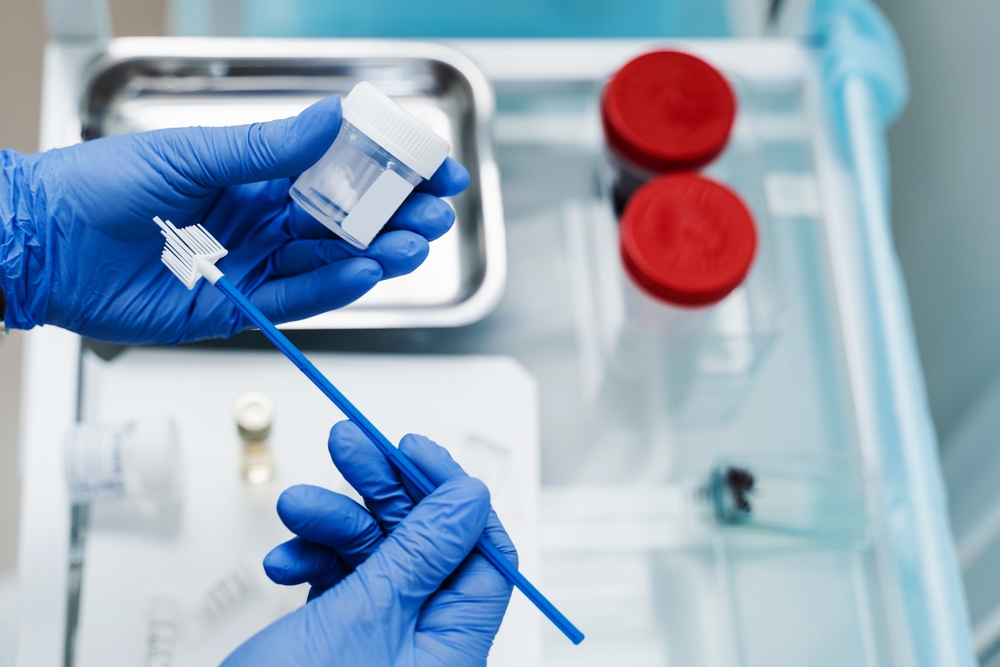
A Pap smear is one of the most important routine screenings for women’s health. This simple test helps detect abnormal cervical cells early, often before symptoms ever appear. Early detection allows for timely treatment and is one of the most effective tools for preventing cervical cancer.
Regular Pap smears are recommended as part of a woman’s preventive care starting in early adulthood and continuing through midlife and beyond depending on personal risk factors and medical history. If you are looking to get a Pap smear in Silver Spring, Maryland, here is a guide for you.
Pap Smear in Silver Spring, Maryland: Who needs one and how often
Most providers recommend beginning cervical cancer screening at age 21. From there, the schedule depends on your age and previous test results. Many patients continue screening every three years with standard Pap testing or every five years when paired with HPV testing. Your provider may recommend a different interval if you have a history of abnormal results, immune system concerns, or known HPV exposure.
Even if you feel completely healthy, routine screening is still critical. Cervical cell changes rarely cause symptoms in early stages. A Pap smear allows your provider to monitor changes long before they become serious.
What Happens During a Pap Smear
When you book a Pap smear in Silver Spring, Maryland, your visit typically begins with a brief health history review. During the exam, you will lie comfortably on an exam table while your provider gently inserts a speculum to visualize the cervix. A small brush is used to collect cervical cells for testing. The entire process usually takes just a few minutes.
Some patients experience mild pressure or brief discomfort but most find the procedure very manageable. There is no required recovery time and you can return to normal activity immediately afterward.
When and How You Receive Results
Once your sample is sent to the lab, results typically return within one to two weeks. Most tests come back normal. If abnormalities are detected, your provider will discuss next steps such as repeat testing, HPV testing, or additional evaluation. An abnormal result does not automatically mean cancer. Many cervical cell changes resolve on their own with monitoring.
How to Prepare for Your Appointment
To support the most accurate results, patients are typically advised to avoid vaginal intercourse, douching, or vaginal medications for at least 24 to 48 hours before the exam. If possible, it is also best to schedule your screening when you are not on your menstrual cycle since heavy bleeding can interfere with cell collection.
Before your visit, it can be helpful to note any symptoms you may have experienced such as abnormal bleeding, pelvic discomfort, or changes in discharge. You should also be ready to discuss your previous Pap history, sexual health, contraceptive use, and any current medications.
Why Routine Screening Matters for Long Term Health
Cervical cancer develops slowly and often without obvious warning signs. Regular screening allows providers to identify and treat abnormal cells before they progress. For many women, consistent Pap smear testing is what prevents cervical cancer entirely.
A Pap smear in Silver Spring, Maryland is not only a cancer screening. It is also an opportunity to address broader gynecologic health concerns including menstrual issues, family planning, hormonal changes, and overall reproductive wellness.
By maintaining a regular screening schedule, patients take an active role in protecting their long term health and gaining reassurance through proactive care rather than reactive treatment.
Scheduling Your Pap Smear in Silver Spring at CWC OBGYN
Routine gynecologic care plays a critical role in lifelong health. Whether you are due for your first Pap smear or maintaining your regular screening schedule, professional women’s health services ensure your care is thorough, comfortable, and personalized.
To schedule your next Pap smear in Silver Spring, Maryland, contact Capital Women’s Care online today or give us a call at 301-593-8101.

[…] of high-risk strains of the human papillomavirus that are linked to cervical cancer. Unlike a Pap smear which looks for abnormal cervical cells an HPV test looks directly for the virus that causes those […]